Key Takeaways
- Importance of Winter Covers: Properly using winter pool covers can reduce maintenance costs by up to 50% and prevent damage from freezing temperatures.
- Types of Covers: Choose between mesh, solid, or safety covers based on your needs for debris protection, algae prevention, and safety.
- Preparation is Key: Clean your pool thoroughly and inspect equipment before installing a cover to ensure it is ready for winter.
- Step-by-Step Installation: Follow a structured process for installation, including gathering tools, draining the pool, laying the cover correctly, and securing it tightly.
- Regular Maintenance: Conduct routine inspections of the cover and manage snow and ice accumulation to extend its lifespan and keep your pool safe.
As winter approaches, protecting our pools becomes essential. Did you know that properly covering your pool can reduce maintenance costs by up to 50% during the off-season? A winter pool cover not only keeps debris out but also prevents water from freezing and damaging the pool structure.
Understanding Winter Pool Covers
Winter pool covers are essential for keeping our pools safe and clean during the off-season. They help minimize maintenance and save money while preventing freeze damage. Let’s break it down further.
Types of Winter Pool Covers
We can choose from three main types of winter pool covers:
- Mesh Covers: These allow water to drain through but keep leaves and debris out. They’re lightweight and easy to manage.
- Solid Covers: Solid covers block sunlight, reducing algae growth. They come in various materials, making them durable and reliable.
- Safety Covers: Designed for increased safety, these covers support weight, making them ideal for homes with children or pets.
Each type offers its advantages based on our specific needs and preferences. What cover type do we think fits best for our pool?
Benefits of Using Winter Pool Covers
Using winter pool covers provides various benefits for us as pool owners:
- Cost Savings: Covers can cut maintenance costs by as much as 50%. Less cleaning means more savings in the wallet.
- Debris Protection: Covers keep debris, like leaves, out of the pool, saving us time on cleaning.
- Freeze Prevention: Protects our pool's structure from freezing water, which can lead to costly repairs.
By using winter pool covers, we make our lives easier during the off-season. Have we considered how much time we could save each spring with the right cover in place?
Preparing Your Pool for Cover Installation
Preparing our pool for winter cover installation involves two crucial steps: cleaning and inspecting. Let's dive into each.
Cleaning Your Pool
Before we cover our pool for the winter, cleaning it is vital. We start by removing debris, leaves, and dirt from both the surface and the floor. This step keeps unwanted materials from getting trapped under the cover, protecting the pool from damage or staining. It’s as simple as grabbing a skimmer and channeling our inner pool superhero. Next, we test and adjust the pool water chemistry. Balancing pH, alkalinity, and chlorine levels stops algae from showing up when spring arrives. Keeping the water clean and safe goes a long way.
Inspecting Pool Equipment
Once the pool is clean, checking our pool equipment is essential. We inspect the filtration system, pump, and heater, looking for issues or wear. This proactive approach avoids unpleasant surprises when we’re ready to swim again. Ensuring everything operates smoothly helps maintain optimal performance and reduce future expenses.
Detailed Steps for Installing Winter Pool Covers
Installing a winter pool cover requires attention to detail and organization. Following the steps below can help us protect our pool during the off-season.
Gathering Necessary Tools and Materials
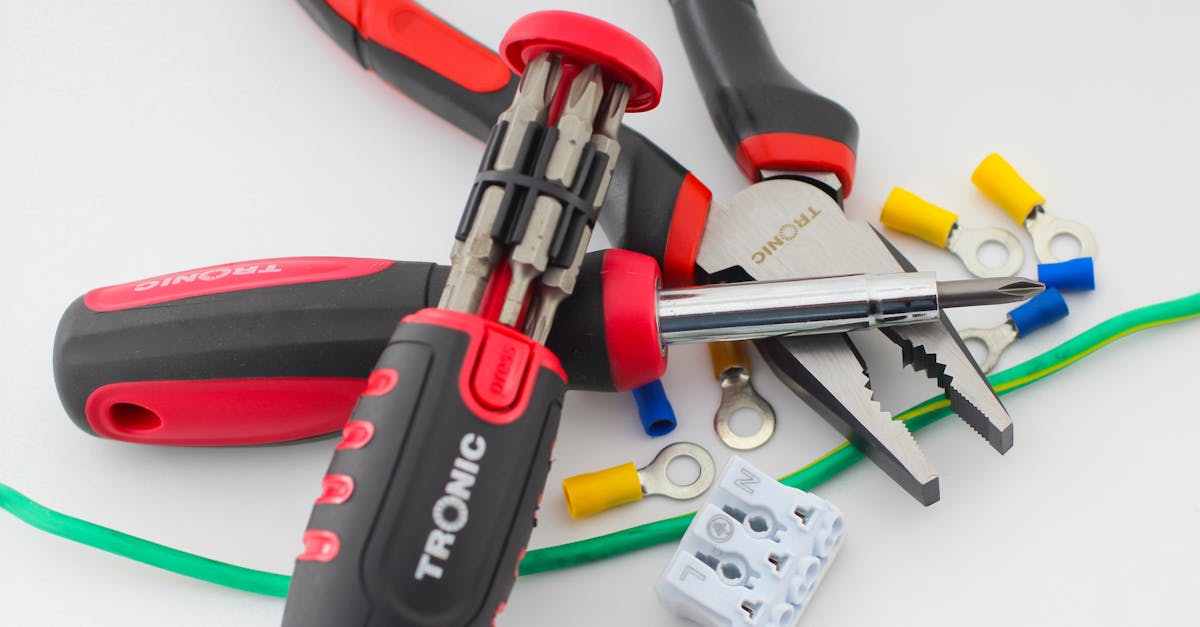
We must gather all essential tools before diving into the installation. Key items include:
- The winter pool cover
- Cover bag
- Anchors
- Springs
- Tamping tool
- Hex key
- Installation rod
- Masonry bit (for drilling)
- Water tubes or cable and winch system (based on the pool type)
- Ice equalizer pillow (optional)
- Swimming pool antifreeze (for plumbing lines)
Having everything on hand prevents unnecessary trips to the store. Let's not forget to double-check our list!
Draining the Pool
First, we need to drain the pool water to the recommended level, typically 12 to 18 inches below the skimmer. This helps distribute the cover's weight evenly, preventing damage. We should also clean out any remaining debris and test the water chemistry before closing it off for winter. Adding winter chemicals protects against algae and other issues while plugging up the return lines stops any unwanted water flow. Make sure to remove ladders and any other equipment too!
Laying the Cover Properly
Next, laying the cover correctly is crucial. We start by positioning it over the pool, ensuring it fits without any hangovers. The cover should ideally overlap the edges by at least 12 inches. If we have a mesh cover, aligning it with the pool's shape helps keep everything neat. If it’s a solid cover, consider using water tubes around the perimeter to keep it in place. Taking our time here helps avoid headaches later on, right?
Securing the Cover
Finally, securing the cover tightly prevents it from blowing away in winter storms. We need to attach anchors and springs, ensuring they’re firm and tight. Using a tamping tool can help press down the covers, leading to a secure fit. If we added water tubes, prevent them from rolling by stacking them correctly. Tightening all elements makes our pool cover capable of withstanding whatever winter throws its way!
By following these steps, we can collectively maintain our pool's condition while enjoying the winter months worry-free.
Maintaining Your Winter Pool Cover
Maintaining a winter pool cover helps us keep our pool in top shape through the off-season. Regular attention to the cover reduces potential problems and prolongs its life, making our spring opening a breeze.
Regular Inspections
We conduct regular inspections of our winter pool cover to spot any wear or damage. This simple step helps catch potential issues early. We look for rips, tears, or signs of wear that might let debris or snow through. After heavy storms or snowfalls, checking for any misalignments is crucial. A cover in good condition keeps our pool safer from winter debris. How often do we check? A quick glance every few weeks should suffice, ensuring everything stays in place.
Snow and Ice Management
Snow and ice management plays a key role in our winter pool maintenance routine. We make a habit of clearing accumulated snow from the cover to prevent excessive weight that might cause damage. A broom or a soft plastic shovel works wonders in gently pushing snow off without harming the cover. If ice forms, we let it melt naturally rather than banging on it, which could crack the cover. Have we experienced the joy of hearing snow crunch underfoot while cleaning the pool cover? It might just become our winter tradition! Remember, a little laughter and shared stories about pool mishaps can make this routine enjoyable. What funny snow removal tales do we have?
By adopting these maintenance habits, we protect our pools while creating a fun winter experience. A well-maintained cover allows us to look forward to spring with excitement rather than dread.
Conclusion
Taking the time to install a winter pool cover properly is essential for protecting our pools during the off-season. By following the detailed steps we've outlined, we can ensure our pools remain in great condition and minimize maintenance costs.
Regular maintenance of the cover itself will also play a key role in preserving the pool's integrity. We can look forward to a worry-free winter knowing that our pools are safeguarded against debris and harsh weather.
As we prepare for the colder months, let’s embrace the benefits of a well-installed winter pool cover and enjoy peace of mind until the sun shines again.
Frequently Asked Questions
What is the importance of a winter pool cover?
A winter pool cover is vital for protecting your pool during the off-season. It helps keep debris out, prevents water from freezing, and can reduce maintenance costs by up to 50%. Properly covering your pool ensures its structural integrity and makes maintenance easier when spring returns.
What types of winter pool covers are available?
There are three main types of winter pool covers: mesh covers, solid covers, and safety covers. Mesh covers allow water to drain but block debris, solid covers prevent sunlight and algae growth, while safety covers can support weight, offering additional protection for children and pets.
How do I prepare my pool for winter cover installation?
Preparation involves cleaning and inspecting the pool. You should remove debris and leaves, check water chemistry, and inspect pool equipment. This step is crucial to prevent damage and ensure that everything is functioning properly when you reopen your pool.
What tools and materials do I need for installing a winter pool cover?
You'll need a winter pool cover, anchors, springs, and water tubes. Having the right tools and materials on hand is essential for a successful installation, ensuring that the cover fits securely and withstands winter conditions.
How do I install a winter pool cover?
First, drain the pool to the recommended level. Lay the cover over the pool, ensuring a proper fit. Secure it tightly with anchors and springs to keep it in place. Following these steps helps maintain your pool’s condition and prepare it for winter weather.
How can I maintain my winter pool cover?
Regular inspections are key. Check for rips or tears that could let in debris or snow. After snowstorms, gently clear any accumulated snow and allow ice to melt naturally. Consistent maintenance helps protect your pool and ensures a smooth reopening in spring.