
The way home watch services are evolving has created new opportunities to merge advanced monitoring with smarter, software-driven platforms. As service providers face the challenge of balancing effective security with streamlined operations, the right technology not only protects homes but also advances business models.
Current trends signal a pivot away from bulky, equipment-heavy installations to dynamic solutions powered by automation and data analytics. This revolution is driven by decisive industry shifts and fresh innovations that give professionals versatile, efficient ways to protect property and provide peace of mind.
Leading software platforms now offer more than just a basic overview-they integrate real-time alerts, virtual collaboration tools, and even artificial intelligence capabilities that dig into historical data for improved outcomes.
Shifting Industry Dynamics and Software Innovation
Home watch service providers are experiencing a critical transformation. Recent reports describe the industry’s migration from traditional surveillance equipment to more fluid, software-based intelligence. This approach not only reduces installation hassles but also offers remote monitoring abilities that adapt to real-world needs.

Surging interest in software solutions is backed by the market's steady embrace of new technologies. An industry report points out that many service providers are now prioritizing automation and flexible service delivery over static hardware installations [Security Info Watch]. The result is a marketplace where operations can be centralized, enriched with data analytics, and configured for rapid response to emerging situations.
This trend is supported by ongoing innovation investments, demonstrating that software is now the backbone of the home watch service industry. The addition of AI-driven features, such as smart templates and automated data entry, has particularly revolutionized daily tasks, ensuring consistency, accuracy, and efficiency.
Key Features of Leading Software Solutions
Modern home watch service software goes far beyond basic monitoring. At its core, these platforms merge robust security protocols with tools for predictive analytics, remote management, and collaborative functionalities. The focus is on making operations more streamlined while keeping service delivery adaptable and secure.
Efficiency comes from a few distinct features. Some software solutions let professionals capture detailed inspection data automatically, reducing manual entries and potential errors. Others incorporate real-time alerts that instantly notify users of suspicious behavior around the property. Such dynamic capabilities are setting new standards for how security is managed remotely.
It is also notable that professionals now favor hybrid work models and virtual collaboration platforms. Studies reveal that a significant percentage of employees prefer this flexible arrangement, which is steadily influencing the design of collaboration tools integrated into home watch service software [ZipDo Education Reports].
Artificial Intelligence Integration
The infusion of artificial intelligence marks a breakthrough in home watch technology. With AI-powered tools, platforms can analyze previous inspection data and property types to automatically populate smart templates. For instance, a recent innovation by a prominent software provider enabled such smart templates to optimize inspections in every cycle [Global Growth Insights].
This integration not only accelerates the inspection process but also improves the accuracy and consistency of data collected across multiple properties. Leveraging historical data for dynamic template creation means that software becomes more intuitive over time as it learns the nuances of each property. This advancement is transforming how inspections and monitoring are conducted.
As AI technology becomes more widespread, service providers can expect further efficiencies that cut down on both labor time and operational costs. It’s a classic win-win: a faster, more reliable service for customers and a less burdensome process for technicians in the field.
Remote Collaboration and Hybrid Work Environments
The modern workforce favors flexibility, and this extends to the home watch service industry. A significant percentage of professionals are now working in a hybrid model that privileges remote engagement. Remote collaboration platforms are becoming essential, with design teams increasingly relying on virtual meetings to coordinate tasks and share updates [ZipDo Education Reports].
Software solutions tailored for home watch services now incorporate features that facilitate remote communication and information sharing. For example, centralized dashboards and cloud-based data repositories allow teams to access and update property information in real time, no matter where they are located.
This flexibility not only improves team efficiency but also ensures that clients receive timely, informed responses to any incidents or maintenance needs. By enabling smooth communication channels, software solutions keep everyone in sync even during remote operations.
Industry Adoption and Real-World Impact
Market data reveal that a notable portion of households already benefit from advanced monitoring systems, emphasizing a readiness among consumers to upgrade from traditional setups. One survey notes that 19% of internet households are equipped with professionally monitored systems, while a smaller segment opts for non-professional services like alerts and video storage [Parks Associates]. These numbers indicate not only a demand for security but also a willingness to invest in premium, tech-driven solutions.
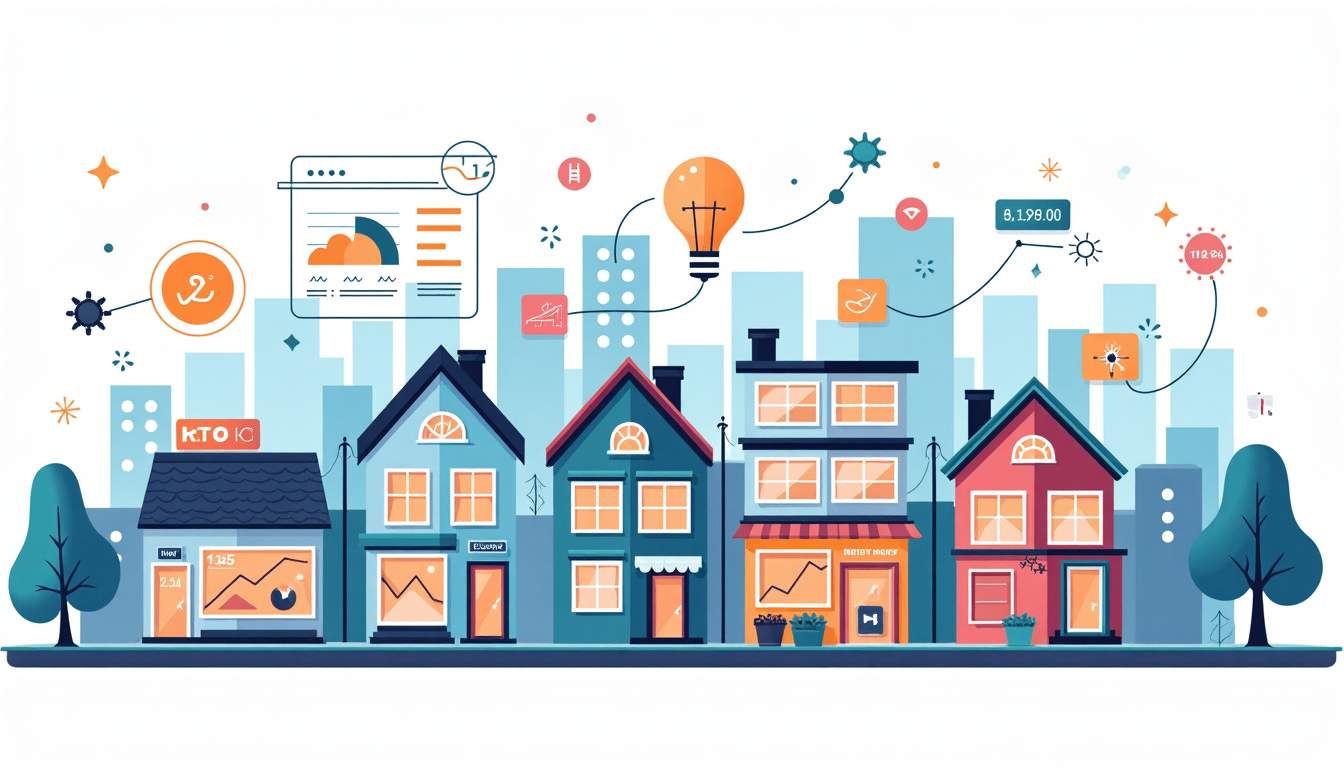
Software solutions are meeting this demand by refining the way monitoring and notifications are handled. With features designed for both professional and consumer applications, the software acts as a bridge between high-tech possibilities and real-world needs.
These trends also resonate with expert insights within the industry, which celebrate the influx of innovative software options. Such advancements are viewed as milestones in an industry that has come a long way from its traditional roots [Home Watch IT].
Enhanced Security Through Software Intelligence
Security is multifaceted, and software capable of understanding and responding to subtle security cues is highly valued. Instead of relying solely on static monitoring devices, many solutions now analyze data patterns to predict and prevent potential incidents. Some platforms even continuously scan IoT devices to assess vulnerabilities, a measure that adds an extra layer of defense [arXiv].
This paradigm shift is not just about reacting to events but about anticipating them. By merging data points with AI-driven analysis, home watch service software can identify unusual behavior and enact preventative measures-all in real time. The emphasis is on achieving continuous security rather than a reactive response.
In a world where cyber threats and physical intrusions can occur almost simultaneously, the ability to monitor and secure both digital and physical realms is invaluable. Software intelligence plays a pivotal role in bridging these two areas, ensuring comprehensive protection under one umbrella.
Adaptability and Scalability for Service Providers
Home watch service providers face a dynamic environment where scalability and customization are crucial. Software platforms designed for this industry must adapt to each client’s unique needs, whether covering a residential block or a portfolio of rental properties.
The current generation of software solutions excels in adaptability. They offer modular features, where users can pick and choose functionalities best suited to their operations. Additionally, these platforms are built to scale as the business grows, meaning that as monitoring needs increase, new features and integrations can be added with minimal disruption.
This adaptability is essential for firms that must juggle a wide range of operational tasks-from managing routine inspections to handling unexpected emergencies. Providers value software that can evolve alongside their business, ensuring long-term efficiency and customer satisfaction.
Evaluating Home Watch Software Solutions
Selecting the best software for home watch services involves looking at several key evaluation criteria. Professionals need to assess aspects like usability, integration capabilities, customer support, and pricing models. These factors collectively determine how well a software solution meets operational demands while delivering value to both providers and customers.
Usability remains a top priority. A seamless interface that minimizes the learning curve ensures that technicians and administrators can navigate platforms with minimal training. Platforms offering customizable dashboards and intuitive workflows tend to be favored because they streamline the process from scheduling inspections to logging incident reports.
The ability to integrate seamlessly with existing hardware also remains critical. Some systems now allow the incorporation of various IoT devices, enabling a comprehensive perspective on property security. Integration capabilities thus serve as an enabler, ensuring that diverse technologies work in harmony across a unified platform.
Real-World Case Studies and Success Stories
Successful implementations of home watch software solutions highlight tangible benefits. Many service companies have reported increased response times, improved data accuracy, and better client satisfaction after adopting software-powered monitoring.
The transformation is often most evident in scenarios where remote collaboration is necessary. Software platforms that include cloud-based functionalities allow teams scattered across different locations to work together effortlessly, thus reducing downtime and boosting efficiency [ZipDo Education Reports].
In these real-world examples, the ability to leverage data-driven insights for proactive maintenance or to schedule inspections automatically has led to measurable operational improvements. These case studies reinforce why investing in modern software is an essential consideration for any home watch service provider looking to remain ahead of the curve.
Overcoming Challenges in a Rapidly Evolving Landscape
With rapid advancements come growing pains. One of the greatest challenges faced by service companies is staying up-to-date with emerging technology trends without compromising on security or customer service. Frequently, legacy systems may inhibit integration with newer software, leaving gaps that need to be bridged through careful transition strategies.

To address these challenges, many leading providers are adopting a phased approach to software integration. This involves piloting new functionalities on a smaller scale, training staff comprehensively, and ensuring that all new features align with existing protocols. Such strategies can mitigate risks while benefiting from the heightened efficiencies new software introduces.
Furthermore, companies must focus on cybersecurity enhancements as they integrate third-party solutions. Independent audits, regular updates, and robust encryption protocols form the backbone of a secure transition to more sophisticated software platforms. As the industry pivots, ensuring that every step taken in the adoption process is secure remains a non-negotiable priority.
Balancing Legacy Systems with New Innovations
Home watch service companies often have legacy systems that have reliably served them over the years. However, merging these with innovative software solutions can be challenging. The key is to identify areas where modern software can optimize performance without entirely discarding the dependable aspects of older technology.
For example, integrating a new platform with existing security setups may require custom development or middleware that bridges communication gaps. Despite the hurdles, the outcome is a hybrid infrastructure that maximizes both reliability and innovation. Such balanced systems ensure that customers continue to receive top-notch service during the transition phase while paving the way for a fully modernized operational model.
This measured approach not only secures the investment made in legacy systems but also promotes a culture of continuous improvement. Organizations are encouraged to view technological evolution as an ongoing journey rather than a one-time upgrade.
Predictions for 2025 and Beyond
The home watch service software market looks set to expand significantly as user expectations evolve and technology continues to push boundaries. Providers can expect increased customization, more sophisticated analytics, and even tighter integration between physical security devices and digital monitoring tools.
Industry leaders predict that by 2025, home watch software will be able to offer even more tailored insights by harnessing large-scale data analytics and machine learning capabilities. These tools will enable proactive servicing, where potential issues are forecasted well before they escalate, reducing downtime and ensuring better customer satisfaction.
Additionally, the increased adoption of hybrid work models-where flexibility and cloud-based systems take center stage-will further drive innovation. With teams collaborating virtually, software developers are focusing on more robust security features, real-time updates, and integrated communication tools to support the modern workforce [ZipDo Education Reports].
Technology Convergence and Future Trends
The next wave of competition in the home watch service industry will likely center on technology convergence. This involves the merger of IoT, cloud computing, and AI-powered analytics into a singular, robust platform. Convergence not only streamlines operations but also enhances the quality of insights delivered to service technicians and administrators.
This trend is already visible with the adoption of automated inspection templates and real-time data streams that adjust security protocols instantly. As technology evolves, systems will be expected to predict maintenance needs before issues become critical, enabling efficient resource allocation and improved service continuity.
Future trends also include enhanced user interfaces designed to be both visually appealing and functionally intuitive, ensuring that even less tech-savvy users can harness the benefits of modern monitoring solutions. The goal is to make advanced technology accessible to all stakeholders, from field technicians to remote supervisors.
Market Predictions and The Role of Consumer Expectation
Consumer expectations play a large role in technological advancements within the home watch industry. As more households install advanced monitoring systems, the demand for software that not only monitors but also intelligently manages security will grow. With 19% of internet households already relying on professionally monitored systems [Parks Associates], the need for dynamic, feature-rich software will continue to rise.
At the same time, smaller segments opting for non-professional solutions like alerts and video storage contribute to a diversified market ecosystem. This variety encourages developers to create flexible platforms that cater to different segments-whether for large-scale operations or niche residential monitoring.
Understanding and responding to this diverse landscape is crucial. By integrating user feedback and leveraging real-time data, service providers are better equipped to design software that not only meets current needs but also anticipates future demands.
Optimizing Operations with Software-Driven Solutions
Efficiency is the cornerstone of a well-run home watch service. Software-driven solutions have enabled businesses to streamline communication, reduce manual errors, and quickly adapt to emerging security challenges. Enhanced automation tools mean that routine tasks, such as incident logging and maintenance scheduling, can be handled with minimal human oversight.
The benefits of these efficiencies are far-reaching. For instance, the automatic population of inspection reports based on historical data not only speeds up the process but also minimizes potential inaccuracies. Such features are a testament to how far software technologies have come in realistically addressing the everyday needs of home watch service providers.
Ultimately, the goal is to create an ecosystem where every element-from data capture to decision-making-is automated in a way that saves time without sacrificing accuracy or security.
Customer Satisfaction Through Technology
Customer satisfaction is deeply intertwined with technological efficacy in home watch services. Clients expect not only robust security but also prompt communication when incidents occur. Advanced software platforms now incorporate multi-channel alert systems that instantly notify homeowners and service providers alike.
Enhanced reporting capabilities allow for detailed insights into property status and service performance, fostering transparency and trust. Whether it's via mobile apps or cloud dashboards, customers receive answers and solutions faster than ever before.
This focus on technology-driven customer service elevates the overall experience, ensuring that clients feel secure and well-informed. The blend of automation, real-time data, and effective communication channels truly defines the next generation of home watch service operations.
Training and Development in a Software-Enabled Environment
The success of any new platform relies on how well teams are trained and equipped to use it. The integration of sophisticated software in home watch services calls for comprehensive training programs. These programs are designed to ease the transition for staff, ensuring that everyone is confident in using the new tools.
Workshops, hands-on training sessions, and digital tutorials are now standard practice for many service companies. By investing in staff development, organizations not only improve operational efficiency but also ensure that the technology is used to its fullest potential.
As teams become more adept at navigating these platforms, the overall quality of service improves dramatically. The cumulative effect is a more responsive, agile organization that can adapt to changing customer needs and security challenges almost instantaneously.
Conclusion: The Future is Software-Driven
The shift toward software-driven home watch service solutions is clear. Combining cutting-edge security protocols with advanced data analytics, these platforms are reshaping an industry once defined by physical surveillance systems. As market trends favor remote operations, hybrid work models, and intuitive digital tools, the opportunity to harness transformative technologies has never been greater.
Early adopters of AI, cloud-based communication, and advanced analytics are poised to set new benchmarks in service quality and operational efficiency. While challenges remain-including integrating legacy systems and ensuring cybersecurity-the overall momentum is indisputable. The future of home watch services will be driven by smart software solutions that not only meet current demands but also anticipate the needs of tomorrow.
For service providers aiming to lead, investing in next-generation software is not just an upgrade-it’s a strategic imperative. The benefits, from enhanced efficiency to improved customer satisfaction and streamlined operations, signal a promising horizon. As the market evolves into 2025 and beyond, the companies that adapt quickly will undoubtedly shape the industry’s next chapter.


