
A technician sits in traffic with a stack of paper route sheets on the passenger seat, while the office scrambles to answer a flood of calls about missed visits and unclear invoices. That picture still exists in many pool companies, yet most of the fastest-growing operators have quietly moved on from it. They have a centralized dispatch screen, mobile apps in every truck, and automated workflows doing the repetitive work in the background.
This isn’t theory. Roughly 75% of pool service professionals are already using software to streamline large parts of their businessesSkimmer 2024 State of Pool Service Report. The gap between companies that run on modern dispatch tools and those that don’t is getting wider every season. The good news: closing that gap is more about choosing the right platform and using it well than about adding more trucks or staff.
Pool Service Dispatch Software Is No Longer Optional
Dispatch software used to feel like something only large regional players needed. That mindset is fading quickly. When three out of four professionals are already relying on software to run key processesSkimmer 2024 State of Pool Service Report, staying completely manual starts to look less like “keeping it simple” and more like accepting preventable chaos.

The industry outlook reinforces that shift. In 2025, 81% of pool service professionals expect their revenue to increase, while only 2% anticipate a drop compared with 2024Skimmer 2025 State of Pool Service Report. Growth at that scale rarely comes from working harder; it comes from working in a more systematic, data-driven way. Jack Nelson, CEO of Skimmer, captures it bluntly: “Knowing your numbers is absolutely critical... so is embracing technology to operate your business more efficiently.”Skimmer 2024 State of Pool Service Report
Dispatch software sits at the center of that change. It connects scheduling, routing, field activity, communication, and billing into one workflow instead of a pile of disconnected spreadsheets, texts, and sticky notes. That connection is where the big gains start to appear.
Cut Admin Time and Get Control of Your Schedule
Most pool companies underestimate how much time their team loses piecing together the schedule each week. Rebuilding routes after one cancellation, hunting for addresses, and manually confirming every visit can quietly consume several hours of office time. That drag often shows up as late starts in the field, overtime for techs, and frustrated customers who feel forgotten.
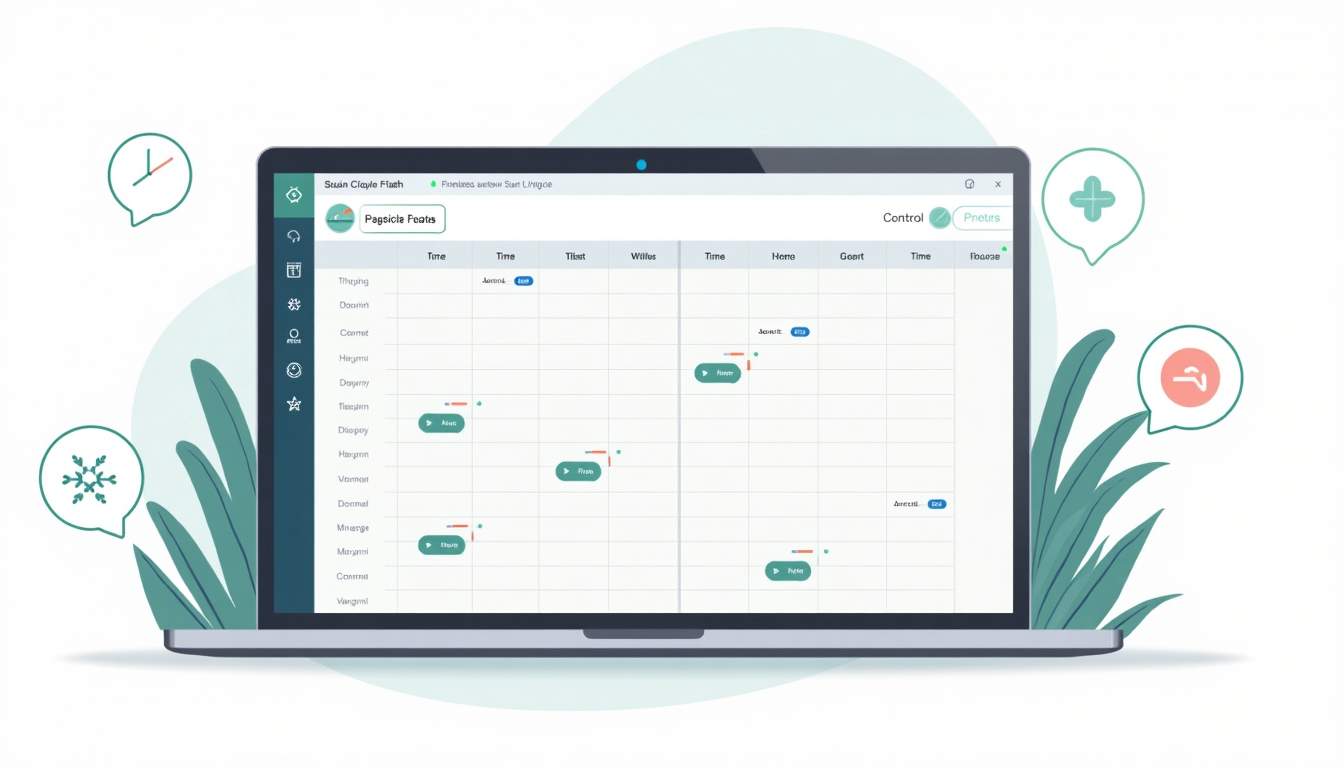
Modern pool service software can reduce administrative time by 40–60% through automation of scheduling, invoicing, and customer communicationsFieldproxy. Dispatchers can drag-and-drop jobs on a digital calendar, auto-assign visits based on territory or skill, and instantly see gaps or overloads. Recurring work lists itself automatically instead of being copied over month after month. The result is a schedule that actually reflects how the business runs, without the constant manual reshuffling.
Route Optimization That Saves Time and Fuel
Even a well-planned schedule falls apart if routes crisscross town all day. Pool service software with built-in routing tools tackles this by clustering stops, reordering visits, and mapping the most efficient paths for every tech. Implementations like this have been shown to cut fuel costs by 15–25% while allowing technicians to complete 2–3 additional service stops per dayFieldproxy.
- Less backtracking and wasted drive time between pools.
- Better ability to squeeze in emergency calls without blowing up the entire day.
- Reliable ETAs that customers can actually count on.
Those gains don’t just hit the fuel line on the P&L. They translate into more billable work per truck and a calmer day for both the office and the field.
Real-Time Visibility for Office Staff and Techs
With dispatch software, office staff can see where the day stands without calling every technician. Jobs marked complete, running late, or rescheduled appear instantly on a shared dashboard. If a tech gets delayed, the dispatcher can drag that job to another route or day and the change syncs immediately to the technician’s mobile app.
This live view prevents double-booking, reduces no-shows, and makes it easier to handle last-minute requests. Customers get answers in seconds instead of “Let me check with the tech and call you back,” which is often code for hoping someone remembers to follow up.
Get Paid Faster With Cleaner Invoicing and Billing
Most owners feel the pain of billing at some point in the month. Handwritten route sheets, missing chemical counts, and half-completed invoices create a knot of work that delays cash coming in. Each manual step is another chance for errors, disputes, or outright missed invoices.
Pool service software with automated invoicing features can reduce billing errors and improve cash flow by 20–35%Fieldproxy. When a visit is completed in the field, the system can automatically pull in the service type, labor, and materials from the job record. Invoices go out on a schedule-weekly, monthly, or after each job-without someone having to re-enter data. Online payment options shorten the time from “job done” to “money in the bank.”
Accurate Job Data From the Field
The quality of billing depends heavily on what comes back from the field. With dispatch software, technicians record readings, services performed, photos, and parts used directly in the job record on their mobile device. That information is immediately tied to the customer account, ready for invoicing and future reference.
Because techs aren’t filling out paperwork at the end of a long route, the data tends to be more accurate and complete. That accuracy reduces disputes, especially when customers can see time-stamped notes and service photos attached to each visit.
Know Your Numbers to Make Better Decisions
Once billing flows through a centralized platform, owners gain the visibility Jack Nelson argues is essential. “Knowing your numbers is absolutely critical... so is embracing technology to operate your business more efficiently.”Skimmer 2024 State of Pool Service Report With dispatch and invoicing connected, it becomes much easier to see which routes are profitable, which service lines are growing, and where margins are getting squeezed.
That clarity supports decisions about pricing, staffing, territory expansion, and even which customers to keep or let go. Instead of running the business by gut feel, leaders can rely on concrete, timely data coming straight from daily operations.
Deliver a Pro-Level Customer Experience
Customers rarely see behind the scenes of scheduling or billing. What they experience is simple: Did someone show up on time? Does the pool look great? Are charges clear and predictable? Dispatch software, used well, creates the consistency that builds trust on all three fronts.
Automated reminders, visit notifications, and follow-up messages can be triggered from the same system that runs the schedule. When a tech is on the way, the customer receives a text or email. After the job, a service report with photos and readings lands in their inbox automatically. Companies using this kind of software have seen customer retention improve by 30–50%, driven by better communication and more consistent service qualityFieldproxy.
Transparent Communication Keeps Clients Loyal
Transparency is a major differentiator in pool service, especially for residential accounts where clients may not be home during visits. Dispatch software makes it simple to share exactly what was done, when, and by whom. Over time, these visit histories become a record that proves value and addresses questions before they turn into complaints.
Commercial clients and property managers benefit as well. With centralized records and reports, they can respond to their own stakeholders quickly, without waiting on someone in the pool company to dig through old paperwork or emails.
Empower Technicians With Mobile Tools
Technicians are the face of the business. Giving them the right tools in the field is one of the fastest ways to raise service quality and job satisfaction. That’s why approximately 70% of pool service professionals now prefer solutions that offer mobile capabilities, allowing techs to access information directly from their devices while onsitePW Consulting.

With a mobile app tied to dispatch, technicians can see their full day’s route, navigation, customer notes, gate codes, and special instructions in one place. They don’t have to call the office for details or return at the end of the day just to drop off paperwork. That freedom often translates into more focused work at the job site and fewer errors.
What Mobile-First Dispatch Looks Like in Practice
On a typical day, a tech opens the app to see the optimized route already planned. Each stop includes the service checklist, previous readings, and any open issues. After completing the work, the tech records data, snaps a few photos, and marks the job complete. The customer immediately receives a branded report, and the office sees the status update in real time.
If a high-priority call comes in, the dispatcher can see which tech is closest, drop the new job onto that route, and push an instant notification to the mobile app. No phone tag, no guessing, and no confusion about who is handling what.
Turn Efficiency Gains Into Real Growth
The most powerful impact of dispatch software is not just a tidier schedule or fewer billing headaches; it is the capacity it creates. When a platform cuts admin time by up to 60% and makes each route more productiveFieldproxy, leadership gains hours back each week. Those hours can be reinvested into sales, training, upselling existing customers, or launching new services like repairs, renovations, or specialty treatments.
This ties directly into the optimism visible in the industry. With 81% of professionals expecting higher revenue in 2025Skimmer 2025 State of Pool Service Report, operators that pair demand with strong systems are positioned to capture a disproportionate share of that growth. Instead of hiring more office staff just to keep up with paperwork, they can scale on the same foundation, adding techs and routes without losing control.
From One-Truck Operation to Scalable Team
For smaller companies, dispatch software can be the bridge from a single-truck, owner-operated model to a multi-route business. When workflows live inside a platform instead of inside one person’s head, onboarding new technicians becomes much easier. The schedule, service standards, and communication routines are already baked into the system.
That structure doesn’t just support growth; it also increases the value of the business as an asset. A company with documented processes and reliable data is more attractive to potential buyers, partners, or lenders than one held together by ad-hoc spreadsheets and phone calls.
How to Choose the Right Pool Service Dispatch Software
Not every tool on the market is built specifically for pool service, and generic field service apps may miss key nuances like route-based maintenance, chemical tracking, and visit reporting expectations. Evaluating options through a pool-specific lens helps avoid an expensive misfit.
Key capabilities to look for include:
- Route-based scheduling and optimization tailored to repetitive service stops.
- Mobile apps that work offline and give technicians full access to customer history and checklists.
- Integrated invoicing and payments that tie directly to completed visits and materials.
- Customer communication tools for reminders, on-the-way alerts, and branded service reports.
- Reporting and analytics that make it easy to “know your numbers” across routes, techs, and service types.
Implementation matters as much as features. The most successful rollouts usually start with a clear, simple playbook: define goals, migrate clean customer data, standardize service templates, train office staff, then train techs. Adopting the platform in phases-scheduling first, then field data capture, then billing automation-can reduce overwhelm while still delivering quick wins.
Dispatch software has moved from “nice to have” to core infrastructure for serious pool companies. The combination of time savings, cost control, faster cash flow, stronger customer relationships, and better decision-making puts operators who embrace it on a different trajectory than those who do not. For businesses aiming to grow profits, reduce stress, and build something that lasts, investing in the right pool service dispatch platform has become one of the highest-leverage moves on the table.


