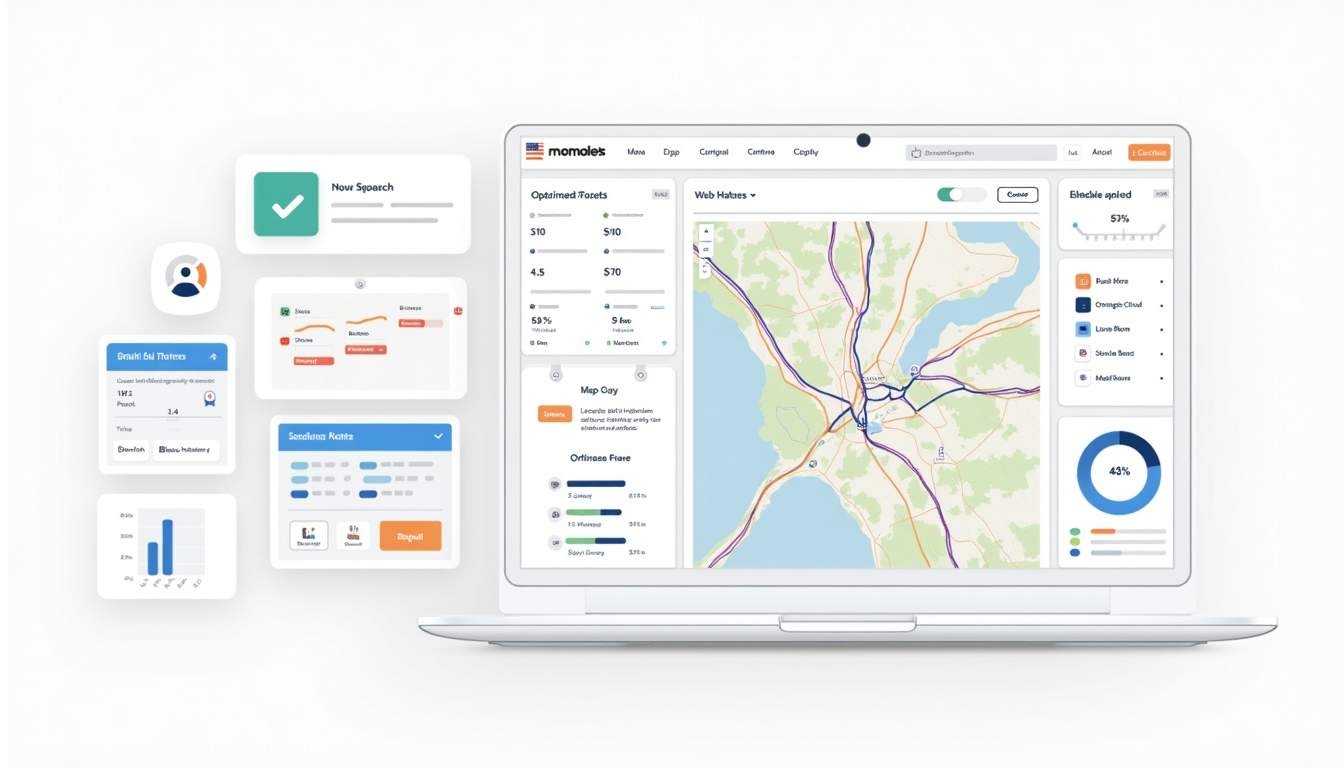
A service company can dramatically transform its operations by integrating a modern dispatch and scheduling platform. The advantages extend far beyond mere automation. Companies are reaping rewards such as on-time deliveries and streamlined operations, which translate into improved customer satisfaction and enhanced operational efficiency.
The evolution of dispatch systems has been fueled by real-world statistics and insights. One study noted a clear 10% boost in on-time deliveries when companies moved away from traditional methods [1]. This is just one example of how proactive scheduling software is disrupting old paradigms in service management.
Boosting Operational Efficiency
Dispatch and scheduling software has proven to be a game-changer when it comes to operational efficiency. Automated scheduling reduces the amount of manual work required by dispatch teams, so field technicians receive assignments without the delays that often come with human error or miscommunication.
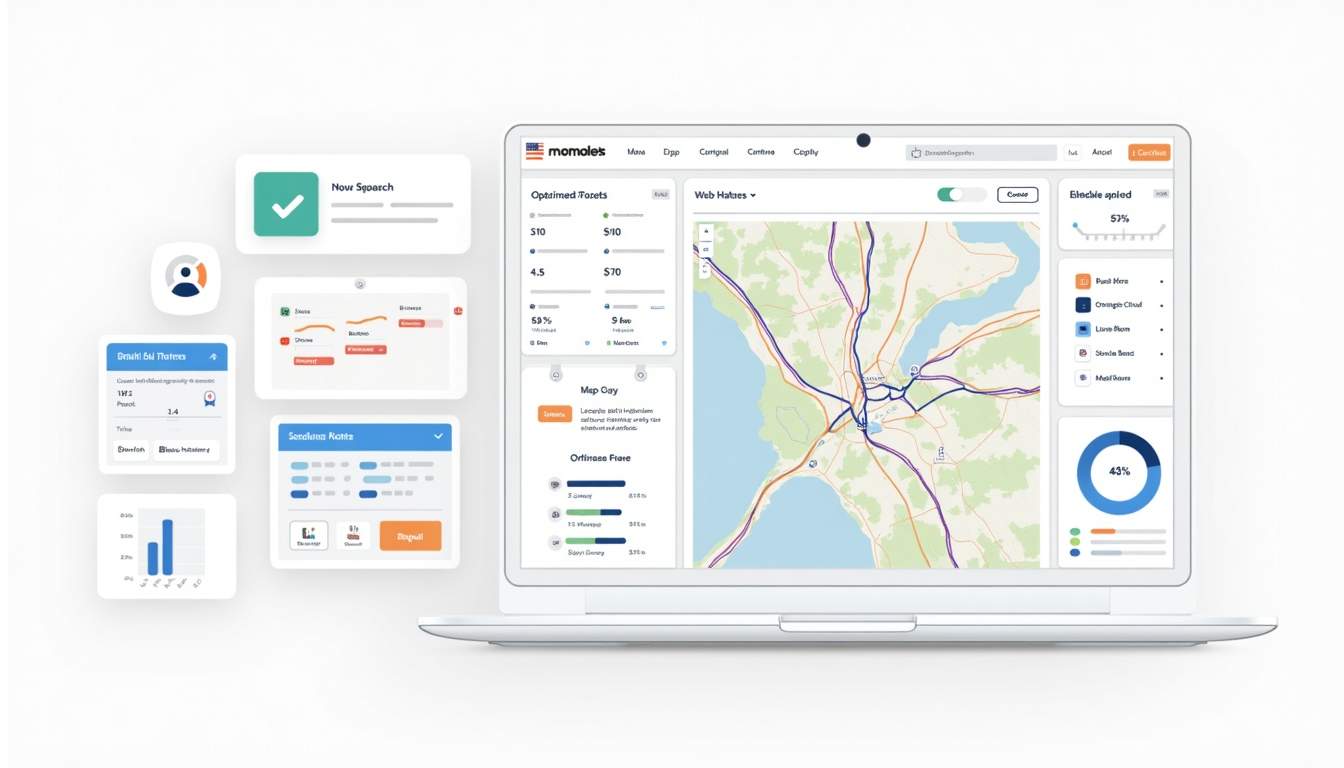
Modern scheduling tools harness data to route technicians based on proximity, skills, and real-time availability. This accuracy in assignment not only saves time but also ensures that the right technician is deployed to the appropriate task. As a result, workforce utilization improves dramatically.
Integrating predictive maintenance alerts is another benefit that these systems offer. By identifying potential equipment failures before they occur, companies can reduce unexpected downtime. Studies have shown that such systems may reduce equipment failures by 30-50% [6]. That means fewer emergency breakdowns and more planned, efficient operations.
Improving On-Time Deliveries and Customer Satisfaction
On-time delivery is central to maintaining high customer satisfaction. Field service companies that have switched to business intelligence-powered dispatch systems have reported up to a 10% improvement in on-time deliveries [1]. This improvement is significant and reflects the reliability of software-driven scheduling compared to traditional methods.
When customers know that service personnel will arrive on schedule, trust builds naturally. Prompt service translates into more positive customer experiences and can reduce the need for follow-up calls or repeated visits. The ripple effects of timely service often include increased customer loyalty and positive reviews, which are invaluable in a competitive market.
Moreover, automated scheduling diminishes the chances of overlapping visits and scheduling conflicts. The precision of dispatch systems helps ensure that appointments are organized and that resources are allocated as efficiently as possible. All these factors culminate in a more reliable service experience for customers.
Enhancing Field Technician Productivity
The impact on field technicians cannot be overstated. Dispatch and scheduling software offers mobile integration that allows technicians to receive real-time updates, access customer information, and navigate to assigned job sites without hassle [7]. Mobile connectivity ensures that technicians stay informed, reducing time wasted on miscommunication or waiting for instructions.

Software platforms that automate scheduling can boost technician productivity significantly. In fact, studies indicate that automated dispatch solutions can increase productivity by as much as 35% [8]. Higher productivity not only improves the bottom line but also enhances morale among field staff, who feel more competent and well-supported.
The key here is eliminating inefficiencies. Reducing tour time by as much as 17% [8] is a clear indicator that time is being managed more effectively. With less time lost in transit and more time spent on actual service calls, businesses experience tangible improvements in operational output.
Optimizing Resource Allocation
Dispatch software enables organizations to optimize their resource allocation in ways that manual scheduling simply cannot match. A simulation-optimization approach applied to order dispatch decisions within supply chains demonstrated significant cost reductions while maintaining a desirable service level [4]. Such findings underline the power of data-driven decision-making in complex operational environments.
Improved resource allocation means fewer idle technicians and reduced travel times. By assigning the right technician based on skills, availability, and location, companies ensure that each service call is handled with precision [2]. This kind of efficient routing minimizes operational costs and avoids the wasted potential of underutilized staff.
Software not only supports intelligent allocation but also provides an audit trail for assignments. This data can be revisited and analyzed to continually refine scheduling processes. Over time, businesses benefit by making small adjustments that lead to significant cost savings and better service levels overall.
Driving Market Growth and Competitive Edge
The surge in demand for efficient field service management has given rise to a booming service dispatch software market. Projections indicate significant growth in the outlook from 2025 to 2034 [5]. As digital solutions become more accessible, businesses are compelled to adopt these systems to stay competitive.
The pressure to digitize comes from both customer expectations and the competitive necessity to operate at peak efficiency. Technology-driven scheduling and dispatching are not just a luxury but a requirement for businesses that wish to continue growing and meeting market demands effectively.
Competitive advantage is achieved by reducing operational friction. Dispatch software facilitates quick decision-making, reducing the response time to service calls and emergencies. This agility is a crucial differentiator in a market where customer service speed really matters.
Enhancing Real-Time Decision Making
Real-time decision making is an inherent advantage of dispatch and scheduling systems. The modern platform continuously gathers data and monitors job status, allowing managers to adjust assignments as conditions change. Whether it's an unexpected road closure or a sudden surge in service call volume, these systems empower managers to respond promptly.
Dynamic scheduling, driven by immediate data feeds, results in flexible routing and quick reassignment. Such adaptability proves invaluable during peak demand periods or when unplanned events occur. The ability to re-route technicians in real time helps mitigate delays and keeps service levels consistently high.
Moreover, this level of agility makes the entire system more responsive to both internal and external changes. Real-time updates ensure that every stakeholder-from dispatchers to field technicians-can rely on accurate information, fostering a culture of transparency and operational efficiency.
Streamlining Communication Across Teams
Effective communication is critical for any service company. Dispatch and scheduling software enhances communication by providing a centralized platform that connects field technicians, dispatchers, and office staff seamlessly. With everything coordinated in one system, there's less chance of miscommunication and errors in scheduling.

This integration means that updates, adjustments, and shifts are communicated instantly. Mobile integration plays a pivotal role by keeping field staff connected and informed [7]. When technicians are equipped with real-time data, they can make informed decisions on the ground without waiting for instructions.
The result is a streamlined workflow where tasks flow smoothly from one team to another. An environment that fosters clear communication ultimately reduces overall errors, ensuring that tasks are completed promptly and accurately.
Reducing Costs and Improving Profitability
One of the most compelling reasons for adopting a dispatch and scheduling platform is the potential for cost reduction. By automating many of the time-consuming aspects of scheduling, companies are better positioned to decrease labor expenses while simultaneously increasing productivity.
The real cost savings come from reducing tour times and ensuring technicians are never idle. For example, studies highlight improvements in first-time fix rates by 15% [8], which not only reduces the need for repeat visits but also lowers overall operational costs. Every minute saved directly contributes to a healthier bottom line.
In addition to operational savings, better scheduling minimizes fuel consumption and vehicle maintenance costs due to more efficient routing. The ripple effect of these savings can be significant over time, enhancing overall profitability and allowing businesses to reinvest in further innovations.
Future-Proofing Your Business
Adopting advanced dispatch and scheduling software is more than a short-term fix. It is an investment in future-proofing the business against rapidly changing market dynamics. As new technologies like artificial intelligence and machine learning continue to evolve, service companies can integrate these advancements to further enhance scheduling algorithms.
Forecasts suggest that AI-driven scheduling will soon become the industry standard, as it helps match the right skill set with the right job based on multiple real-time parameters such as location and availability [2]. This evolution ensures that companies remain at the forefront of technological innovation, rather than playing catch-up.
Investing in a dispatch software platform now sets the stage for easy integration with future innovations. The flexibility and scalability of modern systems mean that tomorrow’s upgrades can be implemented with minimal hassle, securing a competitive edge for years to come.
Case Studies and Real-World Applications
Across various industries, dispatch and scheduling software have proven to be invaluable. Studies and industry reports increasingly support the claim that these systems drive efficiency and cost savings. For instance, research shows that service companies using automated tools experience significant productivity gains and operational improvements [8].
Several organizations have reported measurable improvements after implementing advanced dispatch systems. In one example, a company reduced its tour time by 17% [8] while also increasing productivity by up to 35%. These numbers are more than just statistics-they represent a transformation in how businesses can handle service operations.
Simulation-optimization methodologies have also been adopted within supply chains to minimize costs while maintaining service standards [4]. Such approaches further validate the growing consensus that digital dispatch tools are indispensable for modern businesses seeking operational excellence.
Empowering Decision Makers with Data
Dispatch and scheduling software equips managers with accurate, up-to-date data. Access to performance metrics and comprehensive reports means that decision makers can identify bottlenecks and optimize routes efficiently. The benefits of data-driven decisions are clear when figures like a 10% improvement in on-time delivery are considered [1].
Utilizing business intelligence within dispatch systems translates into improved workflows. Leaders can leverage data insights not only to address current challenges but also to forecast future demands, ensuring that their service operations remain agile. This approach transforms reactive management into a proactive strategy aimed at continuous improvement.
Data integration further fortifies communication channels. With shared dashboards and performance indicators, all team members-from field technicians to upper management-can align their efforts towards a common goal. This level of data transparency builds trust and encourages an environment where every role is optimized, ultimately benefiting the entire organization.
From Reactive to Proactive Service Management
The transition from reactive to proactive service management is a hallmark benefit of modern dispatch systems. Instead of waiting for service issues to emerge, companies can plan ahead using forecast data. Predictive maintenance alerts, for example, provide a method for preemptive action, reducing unexpected equipment failures by up to 50% [6] in concrete cases.
This proactive approach helps in scheduling maintenance procedures during quieter periods, ensuring that service teams are not overwhelmed with emergency calls. By anticipating service demands and equipment issues, companies enjoy smoother operations and extend the lifespan of their assets.
Shifting to a proactive model also has a positive impact on internal planning. Technicians know their schedules in advance, allowing for better personal organization and reduced stress. In turn, this boosts both productivity and job satisfaction across the workforce.
The Bottom Line: Increased Profitability and Growth
When a business invests in dispatch and scheduling software, the impact on profitability is immediate and far-reaching. Enhanced operational efficiency, increased technician productivity, and proactive service management come together to create substantial economic benefits. Companies not only save on costs but also find themselves in a stronger position to scale operations.
Not to mention, improved scheduling leads to higher customer retention and an overall boost in brand reputation. Satisfied customers translate into repeat business and referrals. It is one of the most sustainable paths to growth in a service-driven economy.
All these improvements work together to solidify a company’s market position. In a time when the service dispatch software market is set for significant growth between 2025 and 2034 [5], it pays to be ahead of the curve. Investing in smart dispatch software is not just a tech upgrade-it’s a strategic move toward long-term success.
Embracing Digital Transformation in Service Operations
Digital transformation in service operations is no longer optional; it is essential. The shift toward automated scheduling and dispatch solutions is a pivotal move for any business aiming to remain relevant. Modern tools replace cumbersome paper-based methods with powerful, data-driven systems that simplify the complexity of scheduling.
Companies that evolve with technology witness tangible benefits. Automation reduces errors and increases the reliability of service calls. Business intelligence technology allows management to monitor performance in real time and quickly adjust to changing conditions, ensuring that operations remain fluid and well-coordinated.
Field service companies that have embraced this transformation often report enhanced user experiences, both internally with their staff and externally with their customers. The deployment of these systems symbolizes a commitment to quality and efficiency that resonates at every level of the organization.
Key Features to Look for in a Dispatch Platform
Choosing the right dispatch and scheduling software is as important as implementing it. Key features include real-time tracking, mobile integration, and the ability to analyze data for continuous improvement. Each of these elements plays a critical role in harnessing the full potential of a digital dispatch system.
Mobile integration stands out as an especially crucial feature. Field technicians require constant, real-time updates to adjust their schedules on the fly. Reliable connectivity via mobile devices results in enhanced communication, leading to fewer delays and more consistent service outcomes [7].
Another indispensable feature is advanced analytics. Comprehensive dashboards and performance reports allow operations managers to pinpoint inefficiencies and promptly address them. Data-driven insights make it easier to fine-tune logistical planning, ensuring that every minute-and every technician-is accounted for.
Challenges and Considerations When Adopting New Technology
While the benefits are plentiful, transitioning to a new dispatch and scheduling system can come with challenges. Resistance to change, initial setup costs, and the learning curve for new software can be potential hurdles. However, the long-term gains often far outweigh these initial obstacles.
Successful implementation depends largely on thorough training and a well-thought-out integration plan. Clear communication during the transition ensures that every team member understands the new processes and their benefits. This reorientation is essential for maximizing the software’s effectiveness and minimizing disruptions during the switch.
Over time, as teams grow accustomed to the advantages of automated scheduling, the early challenges recede and are replaced by smoother operations and greater overall productivity. Leaders who successfully navigate this transition often see rapid returns on their investment.
Conclusion: The Strategic Advantage of Dispatch Software
Dispatch and scheduling software are transforming how service companies operate. The benefits span improved on-time delivery, enhanced communication, optimized resource allocation, and a proactive approach to maintenance that secures competitive advantage. With proven statistics, such as a 10% boost in on-time deliveries [1] and a potential 35% increase in technician productivity [8], it is clear that these systems deliver tangible results.
Companies that embrace these modern tools place themselves at the forefront of industry innovation. The shift toward digital dispatch solutions is more than an operational upgrade-it is a strategic imperative for growth, resilience, and long-term success.
Investing in a comprehensive dispatch and scheduling platform leads to efficient processes, empowered technicians, and a customer experience that stands out in today’s competitive market. Such a transformation not only boosts profitability but also cements the business’s position as a leader in a rapidly evolving industry.


