
A busy pool service business is like a finely tuned machine. Every component-from scheduling and billing to chemical management and customer communication-must work seamlessly. When one part falters, the entire system feels the strain. A new breed of software solutions promises to enhance operations, sharpen efficiency, and ultimately boost profitability. This article delves into how pool service software is not just a tool, but a strategic necessity for modern service companies.
Clear, intuitive, and customizable software platforms are transforming how pool service operators manage their businesses. These platforms address common pain points, offering a powerful way to minimize manual errors, reduce administrative workload, and boost internal efficiencies.
The Role of Software in Pool Service Management
Pool service software has evolved into a cornerstone for companies looking to modernize their operations. Today's platforms do more than simply manage appointments or process payments; they integrate various aspects of the business into a single, unified system.
Using integrated software streamlines scheduling, billing, research and development, and daily maintenance tasks. This holistic approach not only reduces the potential for error, but it also allows staff to focus on customer satisfaction and quality service delivery without getting bogged down by administrative duties.
With pool service software, businesses can monitor real-time performance data, track customer interactions, and even predict future maintenance needs. By deploying such comprehensive systems, pool service operators can make informed decisions that support growth and operational resilience.
Efficiency Gains: Prioritizing Internal Operations
The drive toward operational efficiency is not just buzz-it’s a critical initiative for many pool service professionals. Recent research indicates that 60% of pool service professionals are planning to prioritize internal efficiencies to bolster profitability (Skimmer's 2025 State of Pool Service Report).
This statistic highlights a major trend. When companies harness the power of integrated technology, they create opportunities to optimize scheduling, reduce downtime, and better balance workloads. Sophisticated software solutions can provide real-time insights into operational performance, allowing managers to pinpoint bottlenecks and adjust workflows with precision.
Software-driven management means quicker decision-making and faster responses to unexpected challenges. Employees spend less time dealing with paperwork and more time addressing customer needs, ensuring stronger service delivery and improved customer retention. By focusing on internal efficiencies, businesses can also mitigate costs and enhance overall profitability.
Integrating Automated Systems and Technology
Modern systems increasingly incorporate automation to streamline routine tasks. Automation cuts down on human error and frees up staff to engage with more pressing customer issues. An example is the use of automated chemical feeders. Approximately 35% of pool owners in the U.S. rely on these systems for consistent chemical application (Gitnux).

Automated systems are especially important for maintaining the right chemical balance in pools. The precise dosing managed by these feeders ensures that water quality is maintained at optimal levels, which in turn can prolong the lifespan of pool equipment and reduce maintenance visits caused by chemical imbalances.
Software platforms now include modules that integrate with these automated systems. When a sensor or feeder indicates an anomaly, the system can alert technicians immediately. This seamless integration helps prevent issues before they escalate, keeping maintenance costs down and customer satisfaction high.
Adapting to Market Pressures and External Changes
The broader operational environment for pool service businesses is also shifting. In early 2025, the U.S. revised its import tariffs on hardware components crucial to pool and spa service solutions, such as sensor modules and control panels (360iResearch). These changes can ripple through the industry, affecting equipment costs and service pricing models.
Market pressures don’t stop at tariffs. The U.S. pool construction market is a dynamic segment, reaching a value of $16.5 billion and growing steadily at a 3.0% CAGR (Amra and Elma LLC). Such growth fuels increased competition among service providers. To stand apart, businesses have to ensure they are as lean and as efficient as possible.
Software solutions can help businesses adapt to these external factors by providing detailed analytics. By understanding cost drivers and monitoring equipment performance, pool service companies can optimize their inventory and manage vendor relationships more effectively. This means keeping up with pricing fluctuations and supply chain challenges while still delivering premium service.
Marketing and Pricing Strategies in Pool Service
In an industry where reputation and word-of-mouth are king, clear, consistent marketing and transparent pricing strategies are essential. Recent insights show that 40% of pool service businesses are increasing their marketing budgets (Amra and Elma LLC). This increased focus on marketing indicates that companies are eager to differentiate themselves in a competitive market.
Transparent pricing strategies are equally important. There is an emerging model where 20% of pool companies bill chemicals separately using a “plus chems” model (Pool & Spa Marketing). This approach not only clarifies costs for customers, but it also allows businesses to better manage their expenses and adjust pricing in response to changes in chemical supply costs.
Customer relationships can also be bolstered by clear pricing. As one industry leader mentioned, treating clients with straightforward and honest pricing-without hidden fees-builds trust and long-term loyalty (Pool & Spa Marketing). A strategic software platform can help track these pricing models, ensuring that adjustments align with market trends and cost realities.
Optimizing Operational Workflow
Streamlined Scheduling and Dispatching
Scheduling remains one of the most critical elements in a pool service operation. Efficient dispatching minimizes travel time and ensures that technicians arrive at customer sites on schedule. With robust scheduling software, businesses can optimize routes and reduce wasted time.
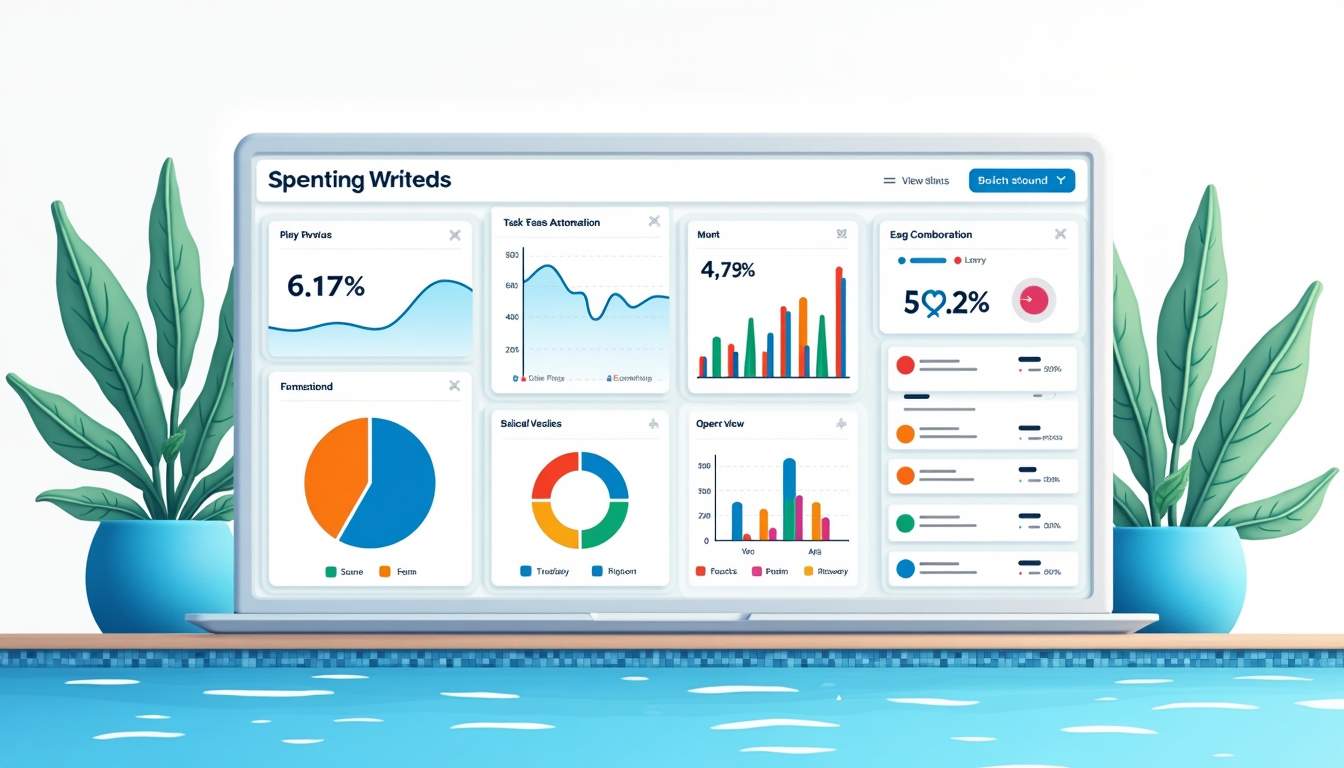
Software platforms provide benefits such as dynamic route planning and predictive scheduling. These features minimize downtime by matching technician availability with customer demand. The result is a smoother operation that not only boosts productivity but also improves customer satisfaction.
Integrating dispatch systems with real-time location tracking makes it easier for managers to monitor technician progress and adjust routes as needed. This ensures that any delays or emergencies are promptly addressed, maintaining service quality even during peak times.
Inventory and Equipment Management
Running a pool service business means managing a diverse inventory, from chemicals and cleaning tools to sensor modules and control panels. A software platform can handle inventory tracking with precision, reducing the likelihood of stockouts or over-ordering.
Automated inventory management systems alert managers when supplies are low. This proactive approach helps maintain a lean inventory while ensuring that technicians always have the necessary tools. The platform’s predictive analytics can also forecast seasonal demand, allowing companies to scale their inventory management strategy effectively.
Hardware cost fluctuations, such as those resulting from revised import tariffs on critical components, are accommodated by inventory modules that continuously update pricing and cost analysis metrics. This enables businesses to stay competitive while managing overhead costs.
Key Features to Look for in Pool Service Software
Choosing the right software platform is crucial. Certain features can make the difference between a clunky, inefficient system and a smooth, dependable operation. Here are some key aspects that pool service professionals must consider:
Comprehensive Integration
A valuable software solution seamlessly integrates with existing systems. It connects scheduling, billing, inventory management, and customer relationship management under one digital roof. This integration reduces repetitive data entry and minimizes discrepancies across various operational functions.
When all these elements work in unison, the result is an operational ecosystem that facilitates a continuous flow of information. This real-time data exchange helps managers understand performance trends and make informed decisions about resource allocation and service improvements.
The ability to integrate with external automated systems-like the previously mentioned chemical feeders-adds another layer of sophistication to the platform. This ensures that both manual and automatic elements of the business operate in harmony.
User-Friendly Design and Customization
The best software is only as useful as it is usable. A clean, user-friendly interface reduces the learning curve and minimizes resistance from employees adapting to new technology. Customization options also allow businesses to tailor the software to fit specific workflow requirements and industry needs.
Features like drag-and-drop scheduling, customizable dashboards, and mobile accessibility ensure that the platform fits seamlessly into daily operations. A tool that is intuitive on the desktop should be just as efficient on a tablet or smartphone, ensuring that technicians in the field have immediate access to essential data.
Customization is another critical factor. No two pool service operations are identical. The right software offers configurable modules that can be adjusted to suit the unique requirements of everything from small local operators to large, multi-regional service companies.
Data Analytics and Reporting
Performance analysis is key to continuous improvement. Advanced software platforms provide robust data analytics features that shed light on operational performance. Detailed reports covering everything from technician efficiency to customer satisfaction metrics allow operators to fine-tune every aspect of their business.
Regular reviews of these analytics can reveal insights not easily noticeable in day-to-day operations. For example, by understanding which service routes are most efficient or identifying recurring maintenance issues, managers can proactively optimize their processes.
These insights help pool service companies not only maintain their current level of service but also plan for future growth and expansion. With data-backed decisions, investments in marketing, staffing, and new technology can be planned more confidently and strategically.
Managing Customer Relationships and Communication
Technology and software have redefined customer relationship management (CRM) in the pool service sector. A powerful CRM feature embedded within the software platform centralizes all customer interactions, from service requests to follow-up communications.
This centralization makes it easier for operators to build and maintain long-term relationships. Automated reminders for scheduled maintenance, personalized service histories, and even integrated billing options contribute to an enhanced customer experience.
A strong CRM also supports targeted marketing efforts. With insights into customer preferences and service histories, businesses can create tailored promotions and loyalty programs. The result is a more engaged customer base that is more likely to refer friends and family, driving organic growth.
Pricing Transparency and Financial Management
Budget management and transparent pricing are fundamental to running a profitable pool service business. Many companies are turning to smart software platforms to administer detailed financial tracking and reporting. This includes flexible pricing models and billing options that cater to varied customer needs.
An emerging trend in the industry is the “plus chems” pricing strategy, where chemicals are billed separately from labor costs. Approximately 20% of pool companies are using this method (Pool & Spa Marketing). Separating chemical costs from service fees allows for clearer financial communication with clients and provides a framework for adjusting pricing in response to market changes.
Additionally, robust financial modules within these platforms help track cash flow, expenses, and overall profitability on a granular level. With accurate reporting and real-time financial updates, managers can swiftly adjust their pricing models in response to fluctuations in supply costs or changes in customer demand.
Enhancing Employee Productivity and Morale
Good software can also have a positive impact on employee morale. When administrative burdens are streamlined, the workforce is freed up to focus on quality service delivery and customer interaction. This improved efficiency often leads to higher productivity, which in turn contributes to the overall success of the business.

Training is simplified when the software is intuitive and user-friendly. A straightforward system reduces the risk of errors and creates a more confident, capable team. Employees equipped with modern tools are better prepared to meet the challenges of fast-paced service environments.
An integrated system that cuts down on redundant tasks not only reduces overtime but also boosts job satisfaction among staff. With appropriate reporting and communication tools, scheduling conflicts are minimized and clarity in roles is enhanced. As a result, the team can concentrate on delivering quality service, avoiding burnout through efficient, balanced workloads.
Future Trends and the Evolution of Pool Service Software
Looking ahead, the pace of technological adoption within the pool service industry is set to accelerate. Software is evolving in real-time, embracing innovations such as artificial intelligence, enhanced mobile applications, and predictive maintenance tools. This evolution allows operators to predict maintenance needs, optimize resource allocation, and tailor service approaches more accurately.
With continued improvements, future software platforms are likely to integrate more closely with IoT (Internet of Things) devices embedded in pool and spa environments. Imagine a system that not only tracks the chemical levels in a pool but can also automatically adjust dosing parameters based on real-time data. Such a system would further reduce the margin for error and enhance service automation.
In addition, the insights gained from data analytics will drive more proactive approaches to service management. Rather than reacting to problems as they occur, operators will be able to foresee issues and address them before they impact customers. This level of forecasting marks a significant paradigm shift in service delivery, setting the stage for even greater operational excellence.
Case Studies and Success Stories
Many pool service companies have already witnessed transformative effects after implementing robust software solutions. Consider the example of a mid-sized pool service provider that integrated a comprehensive management platform into its operations. The provider reported a marked decrease in administrative overhead and saw scheduling conflicts drop dramatically.
Such improvements were not isolated incidents. Across the industry, software adoption has led to more efficient routing, better inventory management, and improved customer satisfaction scores. When companies can manage their internal operations more efficiently, the benefits are felt across the board-from front-line service staff to back-office financial management.
These success stories underscore the tangible benefits of embracing digital transformation. Industry leaders have also emphasized the importance of real-time data in adapting to the rapidly changing market environment. With a clear focus on internal efficiencies, companies position themselves to thrive in an increasingly competitive landscape.
Implementing Pool Service Software: Practical Steps
Adopting new software can seem daunting at first, but a systematic approach can ease the transition. Start by assessing the current workflow and identifying bottlenecks that negatively impact productivity or customer satisfaction. Detailed assessments allow for selection of a platform that addresses specific needs.
Implement the software incrementally. Begin with core modules like scheduling and billing before expanding to include inventory, analytics, and CRM features. This phased implementation minimizes disruption while allowing staff to become comfortable with the technology gradually.
Training is crucial for a successful transition. Conduct in-depth workshops and provide continuous support to ensure a smooth integration. Additionally, gathering feedback during early stages of implementation allows the system to be tweaked and tailored to meet operational demands effectively.
Conclusion: Driving Success with Technology
Pool service software is more than a trend-it’s a valuable asset for businesses aiming to become more efficient and resilient. With advanced features such as integrated scheduling, automated inventory tracking, and robust data analytics, these platforms empower pool service companies to overcome industry challenges head-on. As external pressures like revised import tariffs and a competitive market landscape intensify, technology offers the agility needed to adapt and thrive.
The future of the pool service industry lies in the seamless integration of technology into operational workflows. Operators who embrace these digital tools not only stand to reduce costs and increase profitability, but also to foster long-term customer trust through transparent and efficient service delivery. With evolving features and future trends on the horizon, there’s never been a better time for pool service companies to invest in state-of-the-art software.
Embracing technology is a strategic move that prepares companies for both current operational demands and future growth opportunities. By focusing on efficiency, automation, and customer-centric solutions, pool service providers can secure a competitive advantage that drives success in a rapidly transforming industry.
Embracing the Digital Shift: Next Steps for Pool Service Providers
For businesses still wrestling with outdated, manual systems, now is the moment to consider upgrading. The benefits of modern pool service software extend well beyond mere convenience. They address crucial operational challenges in scheduling, route optimization, real-time data management, and customer communication. Taking these steps towards digital transformation can mark the difference between staying afloat or thriving in increasingly competitive waters.
With market pressures from revised tariffs on pool hardware components and evolving customer expectations, harnessing technology is not just an operational enhancement-it’s a strategic imperative. Pool service companies that lead with technology innovation can expect better financial management, cost tracking, and ultimately, a higher rate of customer satisfaction.
By carefully evaluating features such as integration capabilities, user-friendly design, and robust reporting tools, pool service professionals can choose software that not only meets their immediate needs but also scales with future growth. The era of disconnected systems is ending; seamless integration offers precision, transparency, and efficiency that resonates across every department of a service company.
Looking Ahead: The Sustainable Future of Pool Service Technology
As the digital landscape continues to reshape the pool service industry, companies are poised to benefit from innovations that are both cost-effective and sustainable. Embracing technology means more than just enhancing internal operations-it offers an opportunity to reduce waste, optimize energy usage, and ultimately contribute to a greener future.
Sophisticated software platforms help measure key performance metrics while aligning operational practices with long-term sustainability goals. By utilizing real-time data and integrating emerging technologies like IoT, operators can monitor and adjust resource use, ensuring that both environmental and business objectives are met. This dual focus on efficiency and sustainability builds stronger, more resilient companies prepared to meet the challenges of tomorrow.
Investment in advanced pool service software is a clear pledge to continuous improvement. It represents a commitment not only to operational excellence but also to the ongoing satisfaction of customers who value reliability, transparency, and expertise. As trends shift and market conditions evolve, those who make technology a cornerstone of their business strategy will be the ones to lead the way.
Final Thoughts
Adopting pool service software is a strategic advantage in a highly competitive landscape. Streamlined scheduling, automated chemical management, clear pricing models, and integrated customer relationship management all translate into operational success and increased profitability. With current trends such as prioritizing internal efficiencies by 60% of pool service professionals (Skimmer's 2025 State of Pool Service Report) and a significant portion of companies employing innovative pricing models, the benefits of embracing technology are both clear and compelling.
Whether a business is just embarking on its digital transformation journey or already leveraging advanced analytics, the key is to remain agile. Continually refining systems to better serve customers while managing internal operations efficiently is the hallmark of industry leaders. With a future that promises further integration of AI, IoT, and predictive maintenance tools, investing in pool service software is a commitment to long-term success.
The digital revolution in pool service is here. Operators who adapt quickly and smartly will not only meet the evolving demands of their customers but will also set the pace for a more connected, efficient, and profitable industry. Now is the time to make that transformative leap and ensure that every swim is underpinned by operations running as smoothly as the waters in a well-maintained pool.


