A pool route with twenty stops on the board, a storm rolling in, two technicians out sick, and three upset customers already on the phone. Days like that are when a maintenance workflow either holds together or falls apart. The difference is rarely about how well anyone knows chlorine math; it is about how clearly the work is structured, scheduled, tracked, and improved.
The Business Case for an Optimized Pool Maintenance Workflow
Pool owners are not just buying clean water; they are buying reliability. Around 60% of pool owners in the U.S. hire professional services for weekly maintenance, which shows how much of this responsibility has shifted to service companiesGitnux Report 2025. When the majority of owners outsource care, the businesses that win are the ones that treat maintenance as a high-efficiency operation, not a series of one-off jobs.
The revenue opportunity is growing. The U.S. pool maintenance and cleaning service market is projected to reach $10.33 billion by 2029, at a compound annual growth rate of 4.17% from 2023 to 2029Arizton Advisory & Intelligence. On the commercial side, the global commercial pool service market is expected to rise from roughly USD 8.5 billion in 2022 to about USD 11.3 billion by 2027, reflecting a 5.7% compound annual growth rateInnovative Market Research Group. This growth rewards companies that can add routes, handle more complex assets, and still deliver consistent quality.
At the same time, the stakes are high for pool owners. A new in-ground pool often costs between $35,000 and $65,000 to install in the U.S.WifiTalents Report 2025. Owners expect that investment to be protected. When workflows break down-missed visits, unbalanced water, cloudy pools-trust erodes quickly. Optimizing workflow is not just about squeezing more profit from every truck; it is about turning every visit into a repeatable, predictable experience that protects high-value assets and keeps customers for years.
Step 1: Map Your Current Workflow End to End
Most pool companies already have a workflow; it is just living in whiteboards, text threads, techs’ memories, and the owner’s head. The first step in optimizing is making that invisible system visible. Without a clear map, it is impossible to know where time is lost, where handoffs fail, or where technology can help.
Start by documenting the full lifecycle of a maintenance account. From the first inquiry to the first visit, through recurring service, add-on repairs, and even offboarding, outline every step. This includes how leads are captured, how estimates are built, how customers are scheduled, how routes are planned, how techs receive jobs, and how visits are closed out and invoiced. The goal is a simple picture that anyone in the business can understand in a few minutes.
Next, layer in reality. Identify informal steps that actually happen: techs texting customers about gate codes, last-minute schedule shuffles, extra cleanup after storms, or manual spreadsheet updates. These “hidden” steps are often where delays and errors creep in. Once the full picture is clear, bottlenecks stand out-manual data entry, double booking, unclear ownership, or gaps in communication between office staff and field teams.
Key questions to ask during mapping
A structured set of questions keeps this exercise focused and honest. When reviewing the workflow, look at each step through the lens of speed, accuracy, and accountability. The aim is not to assign blame, but to find friction that can be designed away.
Helpful questions include: How does work enter the system, and could it happen automatically instead? Where do people wait for information-addresses, gate codes, chemical history, or approvals? Which tasks rely on a single person’s memory or personal spreadsheet? How often is the same information typed more than once? And when something goes wrong, how easy is it to see what happened and where? Clear answers to these questions make it obvious where standardization and software will have the biggest payoff.
Step 2: Standardize Technical Tasks in the Field
Even the most advanced scheduling platform cannot fix inconsistent service. Optimizing workflow starts with standard work in the field: clear, repeatable steps for every visit type. When technicians follow the same process, it becomes possible to measure performance, train new hires faster, and deliver a consistent experience across the entire route.
Design service templates for core visit types-weekly residential cleaning, commercial checks, opening, closing, and troubleshooting visits. For each template, list the required tests and readings, the default order of operations, and documentation requirements. A weekly visit, for example, might always include water testing, chemical adjustments, brushing, skimming, filter check, equipment visual inspection, and a photo of the water surface before and after. Templates turn “do a good job” into “follow these exact steps.”
Standardization also supports upselling and compliance. When a template includes specific thresholds for water chemistry or equipment condition, techs have an objective trigger for recommending additional work instead of relying on instinct alone. For commercial and indoor pools, templates can embed energy-saving steps, such as verifying night setback controls that can reduce water heating energy consumption by up to 4% when properly implementedBenakcha et al., 2025. Consistent execution here turns small operational tweaks into measurable cost savings for customers.
Turning checklists into digital workflows
Paper checklists tend to disappear into trucks or filing cabinets. To truly optimize, those standardized steps need to live inside the tools technicians already use in the field. Digital work orders that embed checklists, required photos, and mandatory readings ensure tasks are actually completed and recorded before a job can be closed.
Well-structured digital workflows also reduce training time. New technicians can follow on-screen prompts rather than relying entirely on shadowing a senior tech. This lowers the risk that growing companies will see quality drop as routes expand. With consistent data captured on every visit, office staff can quickly answer customer questions, highlight trends, and spot issues before they turn into complaints.
Step 3: Digitize Scheduling, Routing, and Communication
Once technical work is standardized, the next leverage point is moving scheduling and routing off whiteboards and spreadsheets. Unoptimized routes waste fuel, burn out technicians, and limit growth. Optimized dispatching, powered by software, turns your team’s time into a strategic asset instead of a daily emergency.
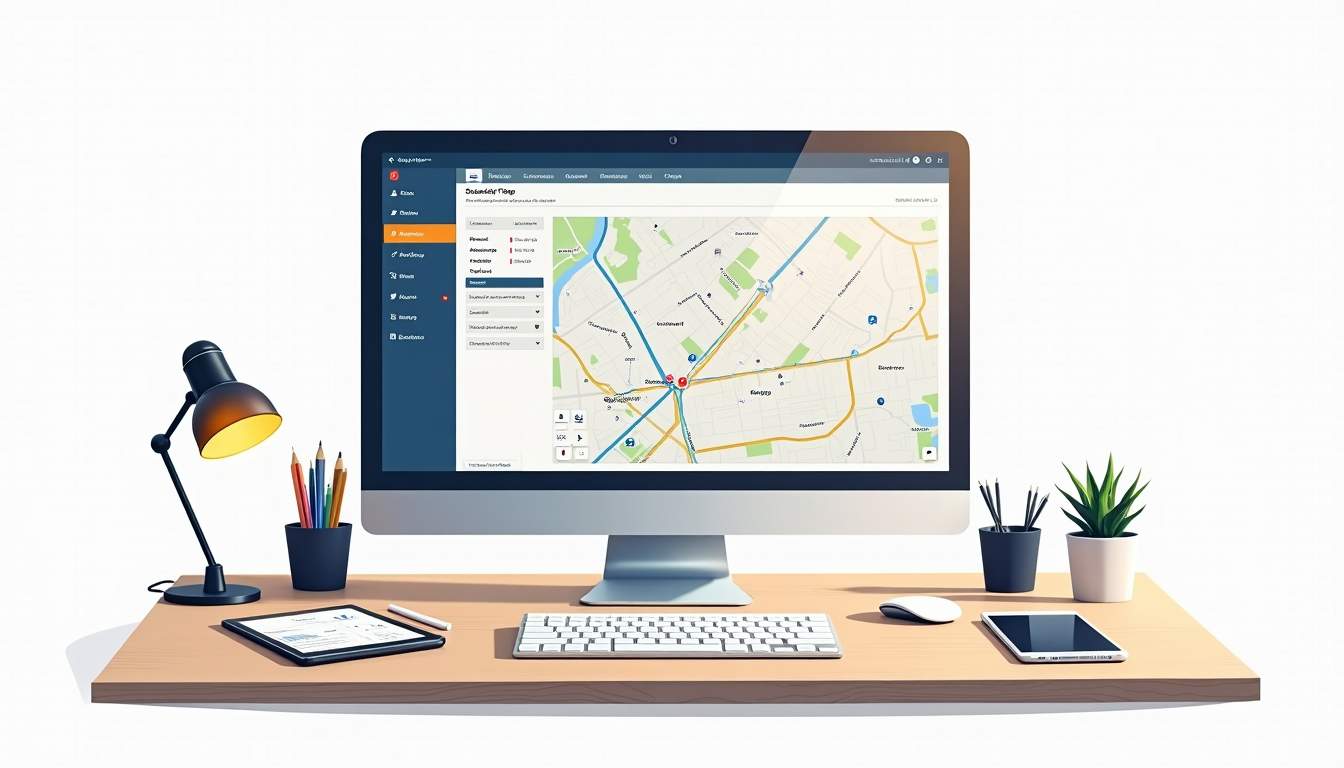
Start by centralizing all customer and job information in one system: addresses, preferred time windows, service frequency, gate or access details, and equipment notes. When scheduling lives in a single source of truth, double-booking and missed stops drop dramatically. Software that supports recurring jobs and automated reminders makes it easier to honor weekly, biweekly, and seasonal patterns without constant manual input.
Routing optimization is where daily efficiency gains add up. With location-aware scheduling, jobs can be grouped by geography and time, reducing drive time and creating predictable daily rhythms for techs. Even small reductions in time per stop compound across routes, week after week. As routes become denser and more predictable, it becomes far easier to add more customers without adding the same proportion of trucks or staff.
Keeping customers informed without manual effort
Communication is often where a solid operational plan unravels. Customers want to know when someone is coming, what was done, and whether anything needs attention. Manually sending texts and emails for every stop is not sustainable, especially as the customer base grows. Automated messaging tied to the schedule closes this gap.
Modern platforms can send notifications when a technician is on the way, when a visit is complete, and if an issue needs follow-up. Visit summaries with photos and chemical readings reinforce trust and reduce support calls. This light-touch, consistent communication helps differentiate professional services in a crowded market, without adding to the office workload.
Step 4: Get Serious About Your Numbers
Optimized workflow is not just about doing the work smoothly; it is about knowing whether each route, service type, and customer is profitable. Industry leaders emphasize that knowing the numbers and embracing technology are critical for operating more efficientlyPool Magazine – Nelson, CEO of Skimmer. Without clear visibility into margins, growth can actually hide unprofitable patterns.
Break down costs and revenue at the visit level. For each job type and route, understand labor cost, travel time, average chemical usage, and any common add-on repairs. Then compare those costs to what is billed. A consistent maintenance workflow, captured digitally, provides the data needed to see which jobs are winning and which are dragging down results. This analysis is only possible when all visits, not just invoices, are recorded accurately.
Data also clarifies capacity. With accurate time-on-site and drive-time data, it becomes possible to see how many more stops each route can handle without hurting service quality. Instead of guessing whether the business can absorb ten more weekly accounts, leaders can calculate it based on actual historical performance. This turns growth decisions from gut-feel into informed strategy.
Using data pooling to reduce operational costs
One powerful, often overlooked technique is pooling operational data across routes, crews, and customer types. Research on maintenance operations shows that optimal data pooling can drive significant cost reductions compared with running separate, uncoordinated processesDrent et al., 2023. In practice, this means analyzing unified data instead of treating each route or technician as an isolated case.
When data is pooled, patterns emerge: which neighborhoods respond best to certain service tiers, which equipment brands generate more callbacks, which visit frequencies keep commercial pools most stable, and where chemical usage spikes seasonally. Those insights inform everything from pricing to stocking to training priorities. Over time, informed decisions at this level produce a leaner, more predictable cost structure without cutting corners on quality.
Step 5: Use Automation and Technology to Scale Safely
Once workflows are mapped, standardized, and digitized, technology becomes a force multiplier instead of a distraction. Many pool businesses rely heavily on referrals and organic growth, and some owners assume that means paid marketing or advanced tools are optional. Industry leaders argue the opposite: referrals can grow a business, but disciplined investment in marketing and technology can accelerate that growth much more quicklyPool Magazine – Nelson, CEO of Skimmer.
Automation can handle repetitive, low-value tasks across the workflow: appointment reminders, overdue invoice notices, seasonal opening and closing campaigns, and checklists for safety or compliance. When those routines run on their own, managers and owners have more bandwidth for higher-level work, such as training, sales strategy, or new service lines. Automation also reduces the risk that critical but boring tasks get skipped during busy seasons.
Technology also supports better decision-making in real time. Dashboards showing route completion rates, missed visits, chemical usage trends, and open issues allow operations leaders to intervene before small problems become systemic. When all of this is integrated into a single platform-scheduling, work orders, communication, billing, and reporting-the maintenance workflow becomes a coordinated system rather than a patchwork of tools.
Energy and asset optimization for higher-value service
For commercial and indoor pools, optimizing the workflow can extend beyond cleaning and water balance to include energy and asset performance. Simple operational strategies such as night setback for indoor pools-reducing water temperature during unoccupied hours-have been shown to cut water heating energy consumption by up to 4% in some scenariosBenakcha et al., 2025. When checks for these settings are embedded into service templates, the maintenance workflow directly supports lower operating costs for clients.
Documenting and tracking equipment condition over time also allows service providers to move toward predictive maintenance. Instead of waiting for a heater or pump to fail, techs can flag early warning signs during routine visits. Combined with clear records, this helps customers make smarter replacement decisions that protect expensive assets, especially when the original pool investment may have been tens of thousands of dollarsWifiTalents Report 2025. Over time, this shifts the relationship from “service vendor” to “trusted operator of a high-value asset.”
Step 6: Train Your Team to Operate the Workflow
No workflow survives contact with the real world without strong adoption from the field and office teams. The best-designed processes and software will fail if technicians see them as extra work or if office staff do not trust the system. Training needs to go beyond button clicks and cover the “why” behind each step.
Build training around real scenarios: a storm that forces route reshuffling, a customer complaining about cloudy water, or a piece of equipment that fails under warranty. Show how the standardized workflow and software tools help resolve those situations faster and with less stress. When technicians see that good data and clear processes protect them-by proving work was completed, by avoiding impossible schedules, or by making add-on recommendations easier-they become allies instead of skeptics.
Reinforce training with feedback loops. Review route metrics, callbacks, and customer feedback regularly, and celebrate when the workflow prevents issues or makes a hard day easier. When changes are needed, involve the team in refining templates and processes. This shared ownership keeps the workflow aligned with reality as the business grows and customer expectations evolve.
Building a culture of continuous improvement
An optimized workflow is not a fixed document; it is a living system. As the market grows-both in residential and commercial segments, as shown by their projected multibillion-dollar sizes and steady compound growth ratesArizton Advisory & IntelligenceInnovative Market Research Group-customer expectations and technology will keep shifting. Companies that win treat their workflow as a product that gets updated, not as a one-time project.
Set a regular cadence to review and adjust the workflow: seasonal debriefs, annual planning sessions, or post-mortems after busy periods. Use the operational data collected by your software platform to guide those changes, not just anecdotes. Small, frequent tweaks-like adjusting visit templates, refining routing rules, or updating communication cadences-compound over time into a robust, high-performing operation.
Putting It All Together
Optimizing a pool maintenance workflow is not about chasing the latest gadget or building a complex system for its own sake. It is about doing the fundamentals so well that the business becomes resilient. Map the current reality, standardize field work, digitize scheduling and routing, get clear on the numbers, leverage automation, and train the team relentlessly.
The result is a maintenance operation that handles growth without chaos, protects customers’ significant pool investments with consistent, documented care, and positions the company to capture a share of a steadily expanding service marketGitnux Report 2025Arizton Advisory & Intelligence. With a strong workflow and the right software platform, each route stop becomes part of a predictable, profitable system instead of a daily scramble.