
A service appointment cancellation at the last minute, a missed invoice submission, or a scheduling glitch can mean lost revenue and frustrated customers. Experts in the pest control industry know that effective scheduling and invoicing are the backbone of a smoothly running operation. The systems in place can mean a clear line between delivering prompt service and falling behind on competitive market demands.
Adopting modern scheduling software paired with a comprehensive invoicing platform is transforming how pest control companies operate. With the industry growing robustly and the market expected to reach billions over the next few years, investing in efficiency is no longer a luxury but a necessity for maintaining a competitive edge .
Streamlining Operations with Advanced Scheduling Software
The Current Landscape of Scheduling in Pest Control
Today, only 55% of pest control companies use scheduling software, highlighting an opportunity for improvement in operational efficiency . The absence of such technology in many companies can lead to miscommunications, missed appointments, and inefficient routing of technicians. Scheduling tools designed for service companies are tailored to address these pain points by offering automated notifications, dynamic route planning, and real-time updates.
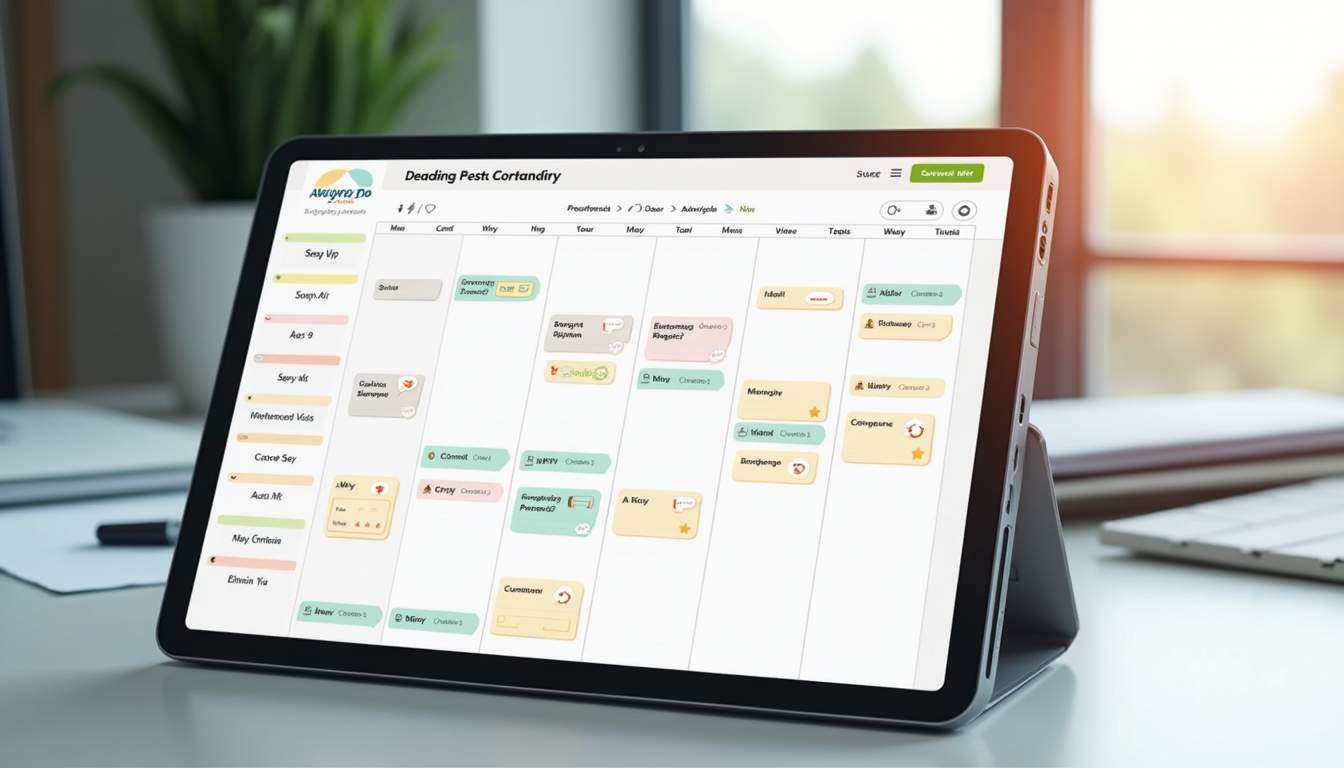
Effective scheduling is not just about planning visits; it is about strategically aligning technician availability with customer demand. For many operators, the ability to reduce scheduling conflicts directly influences customer satisfaction and retention. The industry’s impressive average customer retention rate of 93% shows substantial trust and loyalty, but maintaining this requires continuous improvements to how services are scheduled and delivered .
A well-integrated scheduling system can also facilitate better resource allocation. Companies can monitor technician workloads, track service history, and anticipate peak demands. This proactive approach not only prevents sudden service delays but also enhances overall operational transparency.
Practical Steps for Implementation
Before integrating a scheduling software into operations, it is essential to map out current workflows and identify bottlenecks. Evaluate the frequency of cancellations and the inefficiencies resulting from manual scheduling. By quantifying these issues, companies can better understand the impact of automation.
An effective software platform should support mobile devices, giving technicians real-time updates and access to their schedules while on the field. The automation introduced by these systems minimizes human error, ensuring technicians arrive on time and customers are kept in the loop regarding any changes. The transformation from traditional methods to agile, automated systems is already reshaping the industry landscape, as more companies seek to leverage digital tools to enhance reliability and service quality.
Balancing the integration of new software with existing processes is crucial. It requires adequate training and phased rollouts to ensure teams are comfortable with the new system. A few pilot runs can help iron out any potential issues before wider adoption.
Revolutionizing Invoicing Practices
Enhancing Cash Flow with Efficient Invoicing
Reliable invoicing systems are the lifeblood of any service company. For pest control businesses, where the average cost to acquire a new customer sits at $63, efficient invoicing ensures that every interaction drives consistent revenue . Invoicing that is delayed or error-prone not only disrupts cash flow but can also strain customer relationships.
Modern invoicing software does more than just generate bills. These platforms integrate with scheduling systems, providing seamless transitions from service completion to billing. Automation here minimizes human error: invoices are issued promptly, and follow-ups on late payments are automated. This reliability can improve the overall turnaround time from service to payment.
This integration is especially critical given the competitive marketplace where service prices have been increasing. In 2022, 75% of pest control companies raised their prices, with average hikes around 10% . An efficient invoicing system helps ensure that price adjustments are reflected clearly in invoices, communicating transparency to clients and reducing disputes over billing mismatches.
Best Practices in Invoicing
To transform the invoicing process, companies should adopt best practices such as automated billing cycles, clear itemization of services, and integration with digital payment gateways. These enhancements simplify the payment collection process for clients. Consolidating these methods into a single unified platform allows companies to minimize errors and disputes while speeding up revenue cycles.
Integration between scheduling and invoicing means that completed jobs immediately trigger invoice generation. This minimizes the risk of overlooked tasks that could delay billing, which is crucial for maintaining a steady cash flow. The implementation of such systems can be directly linked to an overall improvement in operational efficiency and financial stability.
Companies that have used these methods have seen smoother transitions from service delivery to payment processing. The reliability of customers receiving invoices accurately and on time reinforces trust and bolsters the reputation of the company, building a foundation for repeat business and organic growth.
Leveraging Data to Drive Efficiency
The Role of Performance Metrics in Business Optimization
Data-driven decision-making is key in any service industry today, and pest control is no exception. With a typical pest control company's average client retention rate standing at 93% and a callback rate of 3% , it is evident that maintaining tight operational metrics is critical.
Managers can use scheduling and invoicing software to gather insights on technician performance, service duration, and invoicing efficiency. This data helps identify operational strengths and weaknesses. For example, if a technician consistently finishes jobs earlier than expected, the data may support recalibrating schedules for optimal productivity. Conversely, recognizing prolonged service times can lead to targeted training or process adjustments.
Regular review of these metrics can help fine-tune system parameters and operational policies, ensuring that every aspect of the business is aligned with strategic goals. Over time, these adjustments can lead to a measurable improvement in gross revenue per technician and overall profit margins, which in the industry typically sits at 19% .
Establishing Clear Communication Channels
Digital transformation in scheduling and invoicing also reinforces communication channels among staff members. A centralized system ensures that technicians, dispatchers, and finance teams all have access to up-to-date information. This clarity prevents overlapping duties or miscommunication, which can hurt overall efficiency.
For example, a technician who is promptly updated via mobile notifications can prepare for unforeseen delays. Similarly, invoicing staff can be automatically flagged when services are completed, reducing the likelihood of manual input errors that can occur with isolated systems. This coordinated approach supports a seamless transition from job completion to invoicing, contributing to overall improvements in operational performance.
When communication flows seamlessly across the business, it becomes significantly easier to adjust and adapt to changes-whether these changes are associated with fluctuating client demands or adjustments in service pricing. An integrated system facilitates quick pivots, ensuring that all teams are on the same page at every stage of the process.
Integrating Technology for Future Growth
Aligning Industry Trends with Operational Goals
The pest control service market is poised for significant growth-valued at over $22.64 billion globally in 2023 and expected to climb to $34.3 billion by 2030 . This underscores the importance of aligning operational tools with industry growth trends. As the market expands, companies that streamline their scheduling and invoicing systems are more likely to capture the increasing demand efficiently.

Long-term growth hinges on the ability to adapt quickly to changing market dynamics. For instance, owing to rising service costs and heightened consumer expectations, pest control companies are in constant pursuit of competitive differentiation. Efficient internal processes not only reduce operational costs but also improve client satisfaction-a dual benefit that props up retention rates and reinforces brand strength in a competitive market.
Investing in technology that seamlessly integrates scheduling and invoicing is not merely an operational enhancement but a strategic decision for sustainable growth. It allows firms to manage increased workloads without proportionally increasing administrative overheads, ensuring that resources are focused on service delivery and customer engagement. This strategic alignment is a proven formula for long-term business success in a market characterized by steady expansion.
Balancing Investment and Operational Efficiency
Transitioning to a unified digital platform involves a calculated approach to investment. Industry trends indicate that less than 25% of pest control companies are currently investing in new technology this year . This lag signifies both a challenge and an opportunity for early adopters. By investing wisely in new software solutions, companies can leap ahead of competitors who have delayed digital transformation.
Critical to this balance is understanding that upfront investments in technology translate to higher operational efficiency and a marked reduction in recurring errors. With expense allocations showing that 32% of total expenses go into wages, salaries, and bonuses , an efficient digital workflow can help manage labor more effectively. Automation means less time spent on administrative tasks and more time dedicated to actual service delivery, ultimately enhancing profitability.
Businesses need to consider the scalability of any system they adopt. A platform that effortlessly accommodates growth-from handling an increased number of technicians to processing a higher volume of invoices-ensures that the benefits of the technological investment are long-lasting. Such foresight avoids repetitive overhauls and allows companies to build on a foundation that supports sustained efficiency and superior client service.
Maximizing Technician Productivity Through Integrated Tools
Optimizing Field Operations
Field technicians are the cornerstone of any pest control service. Their efficiency directly impacts revenue, as highlighted by an average gross revenue per technician of $125,000 . Integrating scheduling and invoicing platforms affords technicians the tools necessary to manage their daily routes more efficiently and handle unexpected adjustments seamlessly.
When technicians have real-time access to job details via mobile devices, they are better empowered to serve customers promptly, reducing idle time between services. The transition from one job to the next becomes smooth, with automated systems ensuring that appointments are updated, parts of the route are optimized, and payments are initiated as soon as the work is complete.
This operational efficiency not only enhances technician productivity but also boosts overall service quality. Better scheduling reduces the likelihood of rushed jobs and service burnout, while an integrated invoicing system minimizes administrative headaches. The collective impact is clear: streamlined field operations lead to a positive customer experience and repeat business.
Training and Adoption for Workforce Readiness
Implementing new technology is only part of the solution; effective staff training is equally critical. A successful transition to digital scheduling and invoicing requires that every member of the team-from dispatchers to field technicians-understand the new system's workings.
Hands-on training sessions and guided tutorials are essential for ensuring that the investment in technology yields the expected efficiency improvements. When teams are well-versed in the functionalities of the new platform, adoption becomes smoother, and operational disruptions are minimized. This approach not only boosts morale and confidence but also encourages a culture of continuous improvement within the organization.
Moreover, clear communication during the rollout phase helps teams understand the long-term benefits, including better workload management, enhanced communication, and a more streamlined invoicing process. The result is a cohesive effort where technology acts as a catalyst for operational excellence.
Financial Advantages of Optimized Scheduling and Invoicing
Improved Profit Margins and Revenue Management
Optimized scheduling and invoicing systems contribute directly to an improved bottom line by reducing operational inefficiencies. The average profit margin for pest control companies stands at 19% , but with better technology, these margins can improve through reduced labor hours and minimized billing errors.
Efficient invoicing minimizes the occurrence of delayed payments and errors in billing, ensuring that services rendered are compensated quickly and accurately. This efficiency is critical for businesses where operating expenses, such as wages and bonuses, account for a significant portion-32% of total expenses . When companies optimize their payment flows, they stabilize their cash flows and reduce the need for extensive credit management.
The financial benefits extend beyond operational efficiencies. Streamlined processes foster trust among customers, leading to higher retention rates and more consistent revenue streams. Every dollar saved on administrative inefficiencies is a dollar that can be reinvested in business growth or used to enhance service quality.
The Role of Automation in Reducing Operational Expenses
Automation in invoicing and scheduling not only refines the work process but also reduces the overall operational expenses. By automating routine administrative tasks, companies can lower the indirect costs associated with manual data entry, error correction, and follow-up communications. This is particularly important in a sector where competitors are already experiencing revenue growth and expanding their market share .
As many pest control companies allocate a significant percentage of their expenses-well over 85% of total revenue-to general pest control services , any reduction in overhead can translate into better profitability. Automation ensures that resources are optimized, and labor costs are kept in check while also reducing the risk of human error that can cause financial discrepancies.
This dual benefit of cost reduction and improved accuracy in billing processes creates a favorable environment for scalable growth. With free resources redirected towards innovation and customer service enhancements, companies can enjoy a self-reinforcing cycle of operational excellence and financial stability.
Adapting Systems for Future Industry Trends
Keeping Pace with Rapid Market Growth
The global pest control market is on an upward trajectory. As projections indicate growth from $22.64 billion in 2023 to $34.3 billion by 2030 , companies must be ready to handle increased demand without compromising service quality.
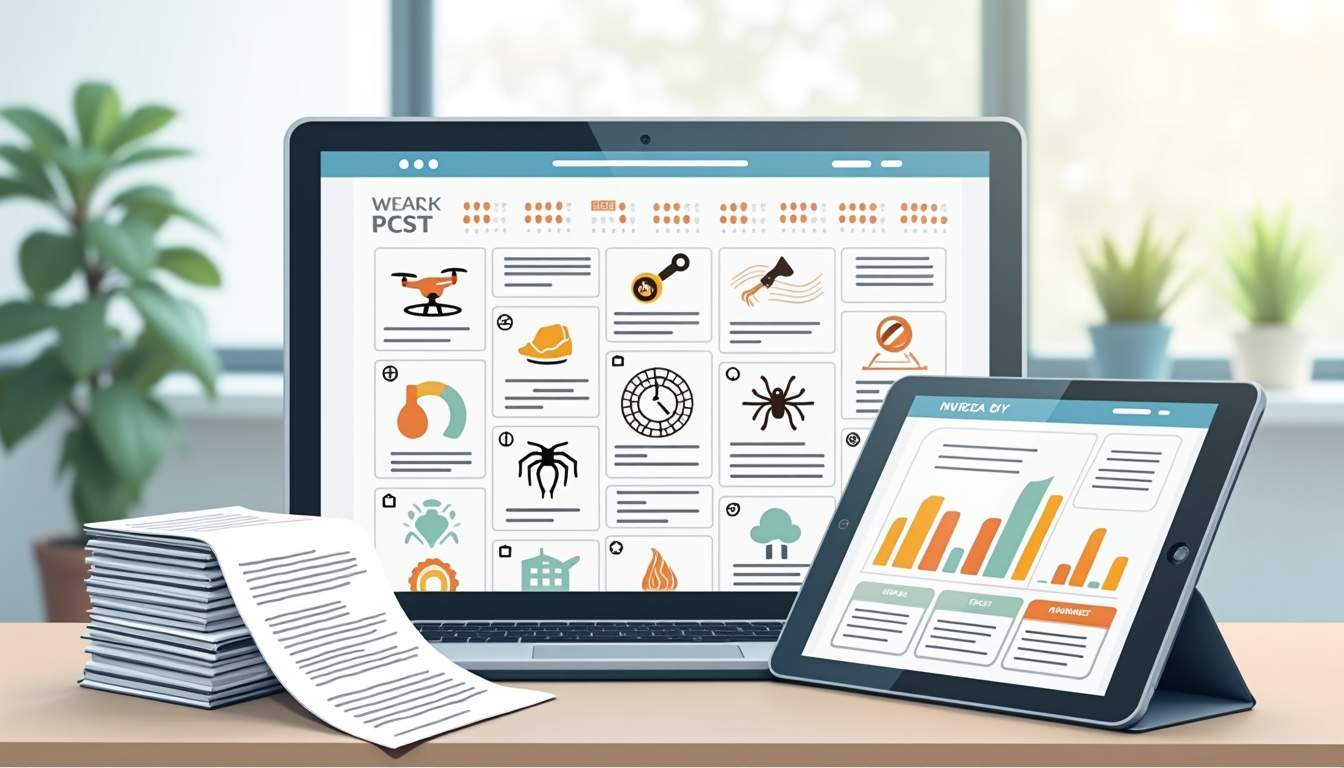
Efficient scheduling and invoicing systems form the backbone of such preparedness. They allow businesses to scale operations rapidly, meet customer expectations effectively, and sustain high-quality service delivery even as volumes increase. This scalability is crucial in a competitive environment where customer satisfaction is directly tied to timely service and transparent billing practices.
Future-oriented businesses will invest in scalable technology solutions that not only meet current operational demands but are also flexible enough to accommodate future growth. This foresight in digital infrastructure planning is a key element of long-term success in a market characterized by vigorous expansion and evolving client needs.
Expanding Capabilities with Modular Platforms
Modularity in technology platforms refers to the ability to add or integrate new functionalities as business needs change. For pest control companies, this means a scheduling and invoicing system that can expand its capabilities-whether by integrating more advanced analytics, mobile dispatch, or digital payment channels-without a complete overhaul of the existing infrastructure.
This modular approach is especially beneficial when expansion into ancillary services comes into play. Even though many companies currently allocate 0% of total expenses to other ancillary services , the capacity for future integration ensures that technology investments remain relevant regardless of market evolution. Such adaptability minimizes technology obsolescence and supports continuous improvement over the long haul.
Ultimately, a modular system empowers pest control companies to innovate at their own pace. It provides a strategic advantage in responding to new market opportunities or regulatory changes, ensuring that companies remain agile and competitive as the landscape shifts.
Strategies for Successful Technology Integration
Creating a Roadmap for Change
Successful integration of scheduling and invoicing platforms requires a structured roadmap that outlines key milestones, expected outcomes, and measurable results. Establishing clear objectives helps in tracking progress and justifying the investments made in technology. This roadmap should detail the implementation timeline, training schedules, and post-integration support mechanisms to ensure a seamless transition.
One significant benefit of a well-planned integration is the ability to incrementally introduce changes without disrupting daily operations. Small, manageable modules can be added one at a time, allowing the team to adjust gradually. For many companies, this is preferable to a full-scale overhaul which might temporarily affect service levels. Instead, focusing on incremental improvements leads to a smoother and more sustainable transformation.
Tracking the performance of the new system in measurable metrics is also essential. For example, reducing invoice processing time or improving scheduling accuracy can be benchmarks to gauge success. These practical steps provide tangible markers of efficiency gains.
Mitigating Resistance and Building Team Consensus
Adopting new technology often meets resistance from team members accustomed to traditional methods. Overcoming this requires clear communication, training, and demonstrable benefits that the new system brings. Involving the team in the decision-making process can help ease concerns and build a culture of acceptance and enthusiasm around technological change.
Workshops, hands-on training sessions, and continuous feedback forums can all contribute to a smoother transition. Decision-makers must highlight how the integrated system will reduce everyday frustrations, improve accuracy in invoicing, and ultimately facilitate a better work-life balance by reducing redundant administrative tasks.
By addressing potential resistance head-on and incorporating feedback from ground-level employees, companies ensure that the transition not only brings operational efficiencies but also enhances job satisfaction among staff. The resulting boost in morale positively reflects in customer interactions, reinforcing the overall service quality.
Conclusion: Efficiency as a Differentiator in Pest Control
The Competitive Edge of Streamlined Operations
Optimizing scheduling and invoicing goes far beyond administrative convenience-it is a core strategic initiative that can shape the future success of a pest control company. With the market showing significant growth potential and rising operational costs, leveraging digital tools is essential. Companies that integrate advanced scheduling systems with automated invoicing benefit from reduced errors, faster payment cycles, and, ultimately, improved profitability.
Enhanced operational efficiency leads to a more responsive and agile business capable of meeting both current and future challenges. For example, with a customer retention rate of 93% and effective automation reducing billing errors, businesses successfully maintain customer trust and streamline their revenue cycles .
In competitive markets where every minute counts, the ability to efficiently schedule appointments and automate invoicing is a critical differentiator. The technology enables pest control companies to promptly serve clients, efficiently manage technician routes, and transition seamlessly from service delivery to invoicing – ensuring that every step in the process adds value and builds long-term customer relationships.
Embracing Change for Long-Term Success
Technology integration is not a one-time project but a continuous journey. As the pest control market evolves and client expectations change, so too must the systems that support these operations. Companies that proactively invest in robust scheduling and invoicing platforms position themselves to capture growth opportunities and navigate market fluctuations with confidence.
Investing in technology is a commitment to future growth and operational excellence. It is an assurance that the business is prepared to handle increasing demands, streamline workflows, and ultimately secure a competitive advantage in a rapidly expanding market. The strategic benefits of digital integration are evident in every aspect of service - from field operations and technician productivity to customer interactions and financial health.
In a field where consistency, reliability, and cost efficiency are paramount, optimizing operations through modern technology offers a clear roadmap to sustained success. By embracing these changes today, pest control companies ensure they are at the forefront of innovation, ready to meet the challenges of tomorrow with confidence and agility.


