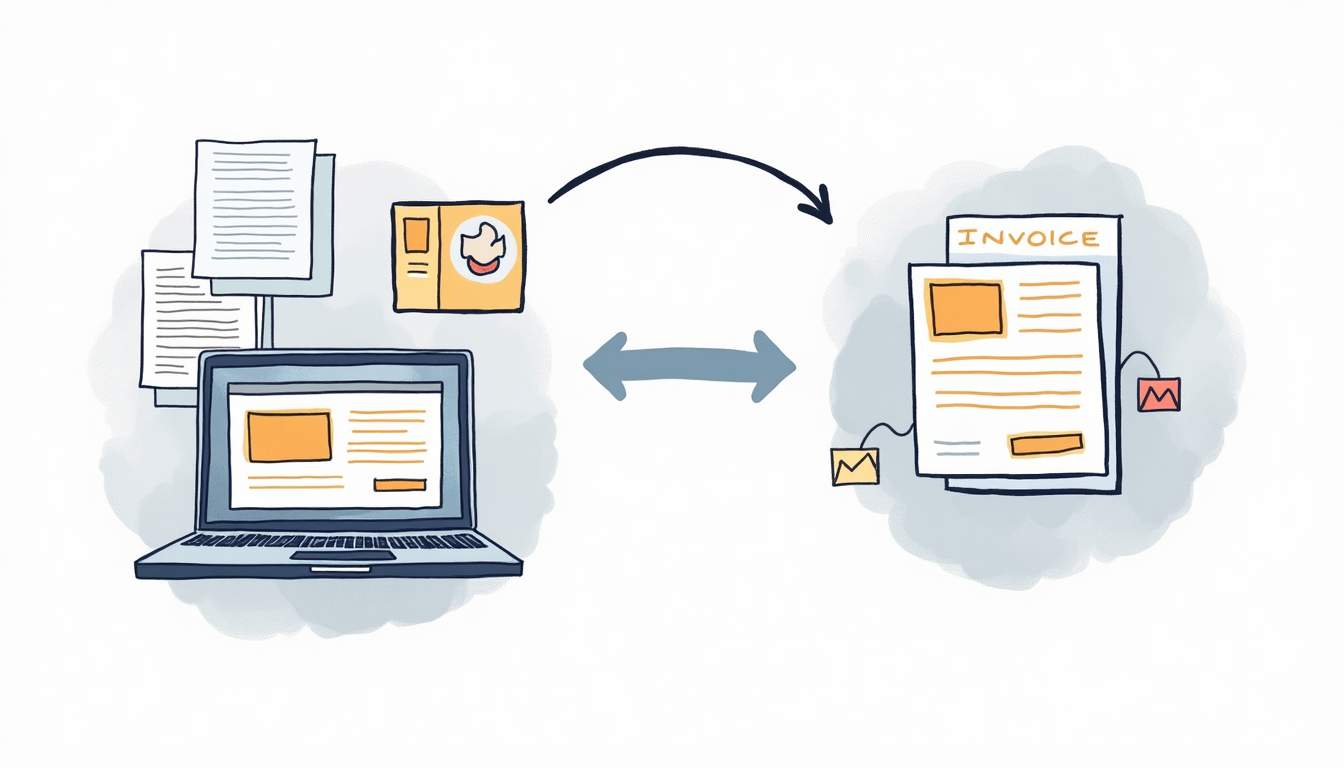
A bustling workshop in a downtown industrial district recently adopted a state-of-the-art scheduling system. The manager noted drastic improvements: fewer scheduling errors, enhanced compliance, and overall smoother operations. Stories like these underscore the transformative potential of refined job scheduling and advanced invoicing systems. This guide delves into the benefits, strategies, and future trends that drive business efficiency today.
The Critical Role of Job Scheduling in Business Operations
Job scheduling serves as the backbone of efficient workforce management. It streamlines project timelines, optimizes resource allocation, and minimizes downtime. By ensuring that every task is meticulously planned, companies can significantly reduce errors and foster an environment of consistent productivity. With scheduling errors reported to drop as much as 70-90% after the implementation of AI-based systems, it is clear that embracing smart scheduling solutions pays off substantially [MyShyft].
In industries where workforce planning is viewed as a strategic asset, job scheduling software does more than just allocate time slots-it harmonizes demands with real-time resource availability. Whether in healthcare, logistics, or manufacturing, dynamic scheduling rules are not just about filling gaps, but about creating a responsive system that adjusts to sudden changes in demand, legal requirements, and internal company policies. Optimized scheduling can show an immediate impact, evidenced by a 25% reduction in operational redundancies in organizations that integrated AI-driven scheduling tools [Wiseguy Reports].
Dynamic Scheduling in High-Stress Environments
The pressure to deliver quality service under tight deadlines necessitates agile systems. In sectors like emergency healthcare and logistics, dynamic scheduling is not a luxury-it’s a necessity. Such scheduling methods enable teams to adapt seamlessly to unforeseen challenges, ensuring critical operations continue without interruption.
Dynamic scheduling has proven its worth over time. For example, organizations that have switched to systems offering automated validation have seen scheduling errors reduced dramatically. This level of error mitigation demonstrates how robust scheduling systems can be instrumental in ensuring that human errors are minimized, thereby improving overall service quality in high-stress environments [MyShyft].
Transforming Billing and Invoice Processes
Automated billing and invoicing systems have revolutionized how companies manage their financial transactions. The shift towards automation has not only reduced labor-intensive manual processes but has also enhanced the accuracy and timeliness of billing tasks. The transition to efficient invoicing solutions is particularly relevant as businesses scale and need to manage growing transaction volumes while maintaining precision.
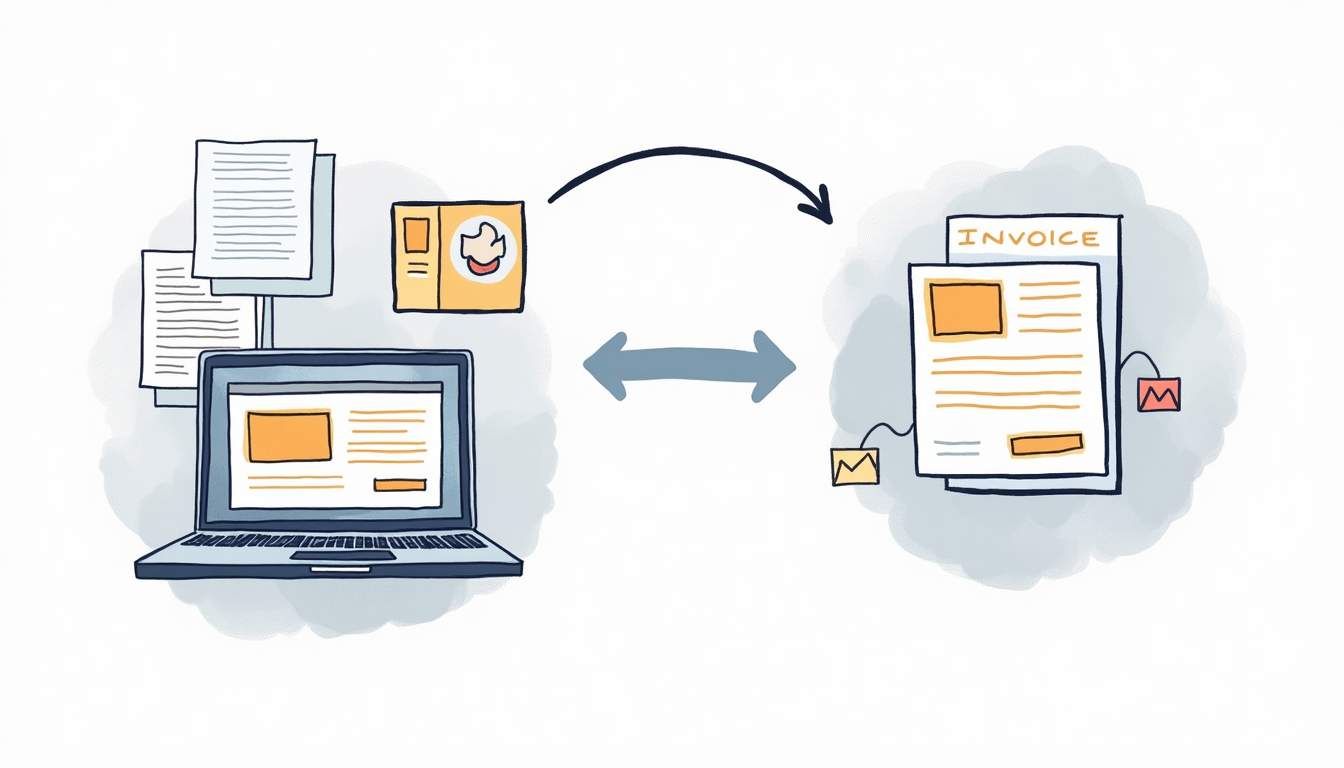
Many businesses have reported impressive gains in operational efficiency following the adoption of automated invoice processing technologies. With some retailers documenting up to a 25% increase in operational efficiency, the transformation in billing processes illustrates the broad impact of these solutions on an organization’s bottom line [Pmarketresearch].
Automated Invoice Processing: A Deep Dive
Traditional invoicing methods prone to human error, delayed reconciliation, and miscommunication often slow down cash flow. Transitioning to automated invoice processing has emerged as a panacea, especially in industries handling thousands of transactions a month. Technology now facilitates near-instantaneous processing of invoices, reducing administrative costs while providing better transparency for financial audits.
As the invoice processing software market has grown, the adoption rate of these automated systems has surged. In 2024, the market was valued at approximately $33.59 billion and is headed towards rapid expansion [9cv9]. This surge underscores the market's trust in these systems to deliver faster processing, fewer errors, and more robust financial control.
Integrating AI and Automation for Enhanced Efficiency
Businesses that combine AI with scheduling and invoicing software are reaping significant benefits. AI tools are not just about automation; they enable intelligent decision-making that refines how tasks are assigned, prioritized, and executed. Employee satisfaction has been observed to improve by 25%, primarily due to reduced administrative burdens and more predictable workloads [Wiseguy Reports].
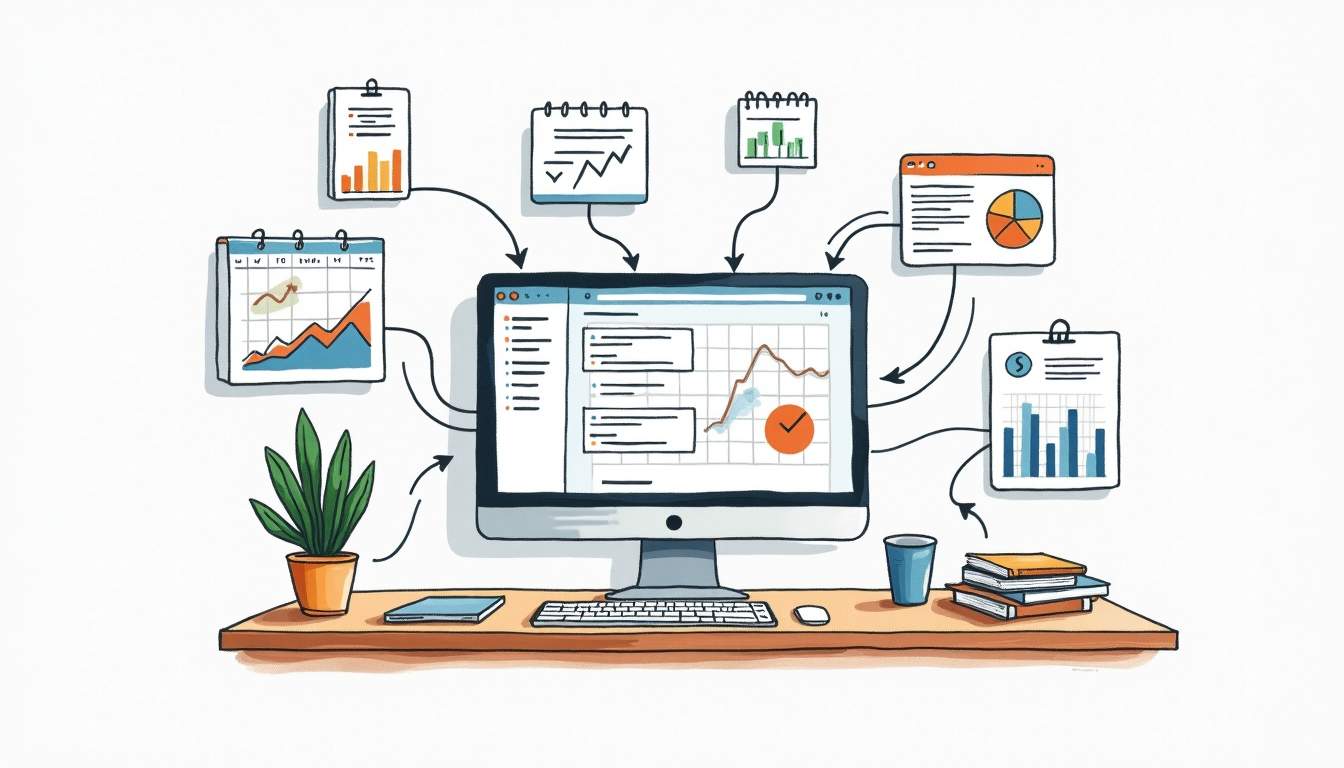
Automation further mitigates risks by ensuring compliance with labor laws and industry standards. Organizations implementing AI-driven scheduling systems report labor law compliance improvements ranging between 30-50%, highlighting an often overlooked advantage of upgraded scheduling software [MyShyft]. With job costing software projected to soar to USD 18.17 billion by 2030, companies are increasingly investing in systems that provide not only cost control but also a strategic, forward-looking advantage [Verified Market Research].
Efficiency Beyond Scheduling: AI’s Wider Role
AI technology extends beyond scheduling to enhance workforce analytics and invoice processing. In workforce analytics, comprehensive data platforms allow companies to make informed decisions regarding staffing, training, and operational adjustments. For instance, the global workforce analytics sector, valued at USD 2.07 billion in 2024, is on track to reach USD 5.94 billion by 2032 [TimeForge]. This expansion emphasizes the crucial role data plays in refining business processes.
In the realm of billing and invoicing, AI not only speeds up operations but also improves accuracy. By identifying anomalies and predicting payment patterns, businesses can better manage their cash flows. This is particularly vital in high-volume industries where each error can lead to substantial financial discrepancies and in some cases, delays in revenue recognition.
Streamlining Workforce Planning and Analytics
Efficient workforce planning is integral to aligning staffing needs with fluctuating workloads. Advanced scheduling systems help in creating a balance between employee availability and project demands. This integrated approach reduces operational redundancies and prevents burnout among staff by ensuring optimal task distribution.
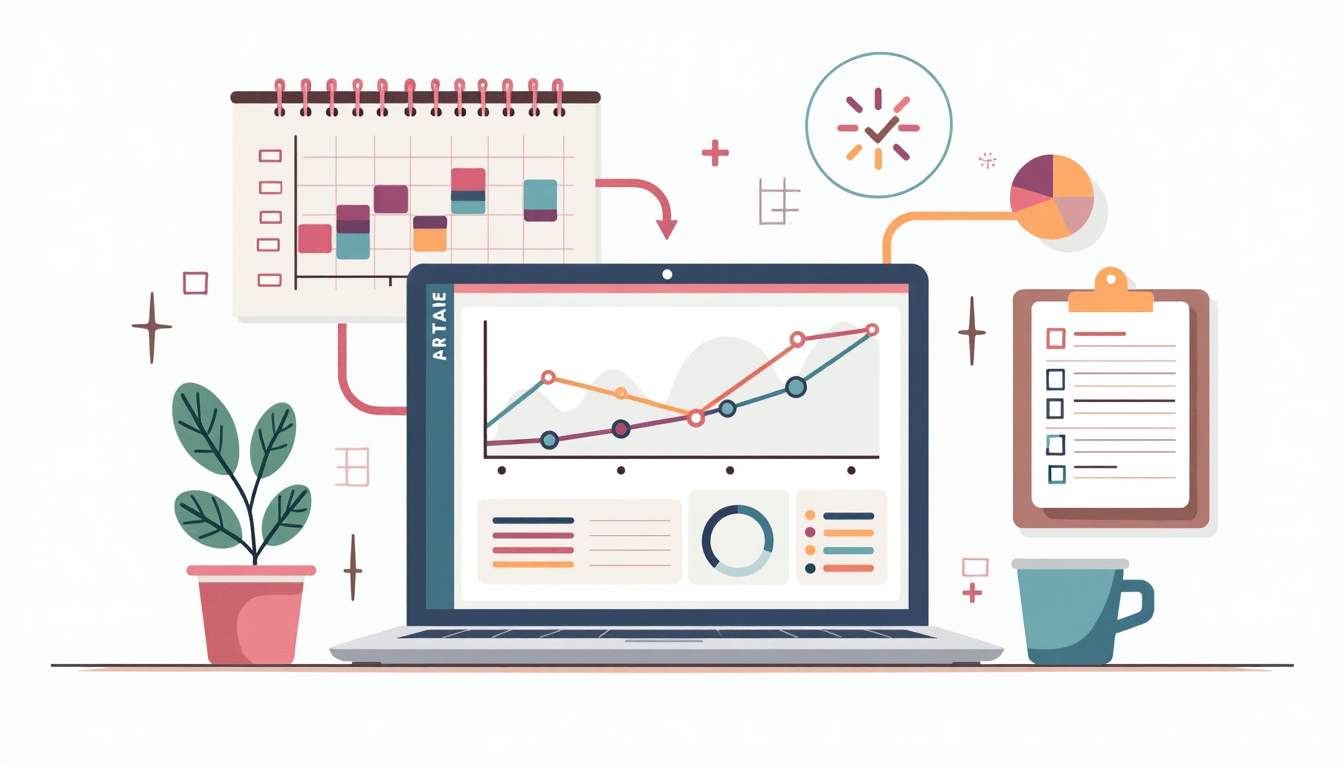
Market research shows that the global workforce planning and scheduling segment is expanding robustly, with revenues expected to reach USD 5,056.7 million by 2030 [Grand View Research]. As companies harness these sophisticated tools, they secure the competitive advantage of having a nimble, responsive workforce that is prepared to tackle customer needs promptly and efficiently.
Case Study: Meeting Unexpected Demands
Consider a manufacturing unit that faced unexpected surges in order volume. Traditional scheduling systems struggled to reassign tasks quickly enough, leading to delayed shipments and frustrated customers. Upon adopting a dynamic scheduling platform supported by AI, the unit was able to reallocate resources in real-time. This flexibility not only met the demand spike but also enhanced overall employee satisfaction by providing clear, achievable targets during peak times.
This instance serves as a compelling testimony of how leveraging advanced workforce analytics and scheduling can directly improve operational performance. The efficacy of such systems is mirrored in various industries where similar adjustments have led to substantial improvements in production timelines and service delivery.
Leveraging Technology for Compliance and Cost Management
Compliance with labor laws is a critical concern for many organizations, especially those with large workforces across multiple jurisdictions. Traditional scheduling methods may inadvertently create compliance risks; however, automated systems now ensure that shifts, overtime, and breaks adhere strictly to local regulations. This minimizes legal risks and potential fines, turning compliance into a seamless part of daily operations.
Besides compliance, accurate job costing is indispensable for maintaining healthy profit margins in service-based industries. With market projections indicating significant growth for job costing software-expected to reach USD 18.17 billion by 2030-companies are increasingly adopting these tools to gain better insight into project profitability and expense management [Verified Market Research].
Balancing Cost with Efficiency
The interplay between cost management and operational efficiency is delicate. Automated systems liberate employees from manual data entry and error correction, reducing both cost and workload. As invoicing and scheduling tasks become streamlined, businesses find themselves better equipped to allocate funds towards growth initiatives such as research, development, and employee training. This strategic reallocation can lead to even higher operational efficiency over time.
Adopting modern job costing and workforce planning systems is more than an IT upgrade-it is a strategic move that reflects a company’s forward-thinking approach. By investing in these technologies, businesses not only reduce everyday inefficiencies but also set the stage for sustainable long-term growth.
Industry-Wide Benefits and Real-World Success Stories
The integration of advanced scheduling, invoicing, and analytics solutions has demonstrated impressive efficiency improvements across varied industries. From healthcare facilities that manage unpredictable patient inflow to construction companies juggling multiple projects simultaneously, the benefits are tangible and quantifiable.
For instance, the global dynamic scheduling software market had already reached a multi-billion-dollar valuation by the end of 2022. This is partly due to the growing realization that dynamic scheduling is not restricted to conventional office environments-it is equally critical in realms like logistics, healthcare, and construction where timely resource allocation can make the difference between success and failure [Wiseguy Reports].
Real-World Impact on Operational Efficiency
A renowned retailer recently revamped its invoicing processes, relying on cutting-edge automation to handle high transaction volumes. The result was a reported 25% increase in operational efficiency, thereby reducing errors and accelerating cash flow cycles. Such improvements are not confined to retail; similar trends are being observed in service companies that adopt integrated scheduling systems, proving that operational efficiency is a universal benefit.
The success stories from companies across diverse sectors reinforce the idea that smart investments in technology yield high returns in both productivity and compliance. When businesses leverage comprehensive software solutions that encapsulate job costing, workforce planning, and automated invoicing, they create an ecosystem where every department can operate optimally.
Future Trends: Scaling Efficiency with Technology Trends
The journey of optimizing scheduling and invoicing is far from complete. Technological advancements are continuously reshaping the way companies operate. Moving forward, trends such as cloud-based services, mobile accessibility, and greater integration of machine learning will be pivotal. These trends are expected to make systems not only more robust but also more intuitive, addressing challenges before they become roadblocks.
Looking at the market, the global billing and invoice system is anticipated to expand to USD 30.5 billion by 2033, driven by an increasing demand for automated and efficient billing processes [9cv9]. Similarly, the burgeoning job shop scheduling and HPC job scheduling as a service markets forecast significant expansion, reflecting the ever-growing complexity of modern business operations [Worldwide Market Reports][ResearchIntelo].
Embracing a Data-Driven Future
The future is clearly intertwined with data. Companies that invest in tools capable of analyzing workforce data in real-time will be positioned to lead rather than follow. Enhanced analytics not only forecast trends but also pinpoint operational bottlenecks, enabling proactive measures. As businesses refine their scheduling and invoicing systems, the integration of comprehensive analytics platforms will further streamline decision-making and foster innovation.
As automation becomes more entrenched in daily operations, the evolution of intelligent systems will likely blur the lines between planning and execution. Soon, systems will be able to predict labor shortages, adjust invoicing cycles based on cash flow predictions, and offer recommendations tailored to a company’s unique operational rhythms. These developments promise to transform traditional workflows into agile, self-optimizing systems that drive both short-term efficiency and long-term success.
Strategic Implementation: A Roadmap for Success
Transitioning to advanced scheduling and invoicing solutions may seem daunting, but a strategic, phased approach can ease the process. The pivot begins with assessing existing workflows and identifying inefficiencies. Once key improvement areas are pinpointed, investing in a platform that integrates scheduling, invoicing, and workforce analytics can streamline operations.
Start with pilot programs targeting specific operational units. For example, deploying AI-driven scheduling systems in one department can help measure improvements in employee satisfaction and error reduction. As organizations experience benefits firsthand-like a reported 20% reduction in operational redundancies-the path to broader integration becomes clearer [Wiseguy Reports].
Overcoming Implementation Challenges
Implementing new technology often comes with challenges such as system integration issues and employee training needs. However, these hurdles can be overcome with careful planning. Effective training sessions, combined with clear documentation and ongoing support, ensure that every staff member can smoothly transition to the new system.
The return on investment becomes evident when both compliance and efficiency see significant boosts. With companies reporting improved labor law compliance by 30-50% once they integrated modern scheduling systems [MyShyft], the initial challenges quickly give way to emerging benefits. Gradually, improvement in key performance indicators validates the strategic move, building a strong case for further technology adoption.
Conclusion: Building a Resilient, Efficient Business Model
Optimizing business efficiency through refined job scheduling and advanced invoicing processes is crucial, especially for service companies that face the challenge of scaling operations without sacrificing quality. The evidence is clear from various industry studies and real-world applications: dynamic scheduling software, AI-enhanced invoicing systems, and comprehensive workforce analytics are revolutionizing the way organizations operate.
Companies that integrate these solutions not only witness substantial improvements in operational efficiency but also achieve higher employee satisfaction and improved regulatory compliance. The transition to integrated systems is not merely a technological upgrade-it is a transformative strategy that positions organizations to better respond to future challenges and capitalize on new growth opportunities.
Looking ahead, businesses that embrace these innovations will set themselves apart as industry leaders. They will be equipped to handle fluctuating demands, maintain competitive pricing, and deliver superior customer service-all while managing costs effectively. As the landscape evolves, the smart fusion of job scheduling, invoicing, and workforce analytics will undoubtedly remain at the forefront of operational excellence.
This guide highlights the transformative power of technology in optimizing business processes. The statistics and trends presented showcase the immense potential lying in the strategic adoption of advanced scheduling and invoicing systems. With thorough planning and the right technology partners, companies can revolutionize their workflows and drive meaningful, sustained improvements in efficiency, ultimately leading to a robust and resilient business model.


