Key Takeaways
- Diverse Candidate Pool: Job fairs attract over 70% of job seekers, providing employers access to a wide range of potential hires in one location, making recruitment efficient.
- Showcase Company Culture: Employers can effectively convey their brand and values through engaging booth designs and personal interactions, helping candidates envision themselves within the organization.
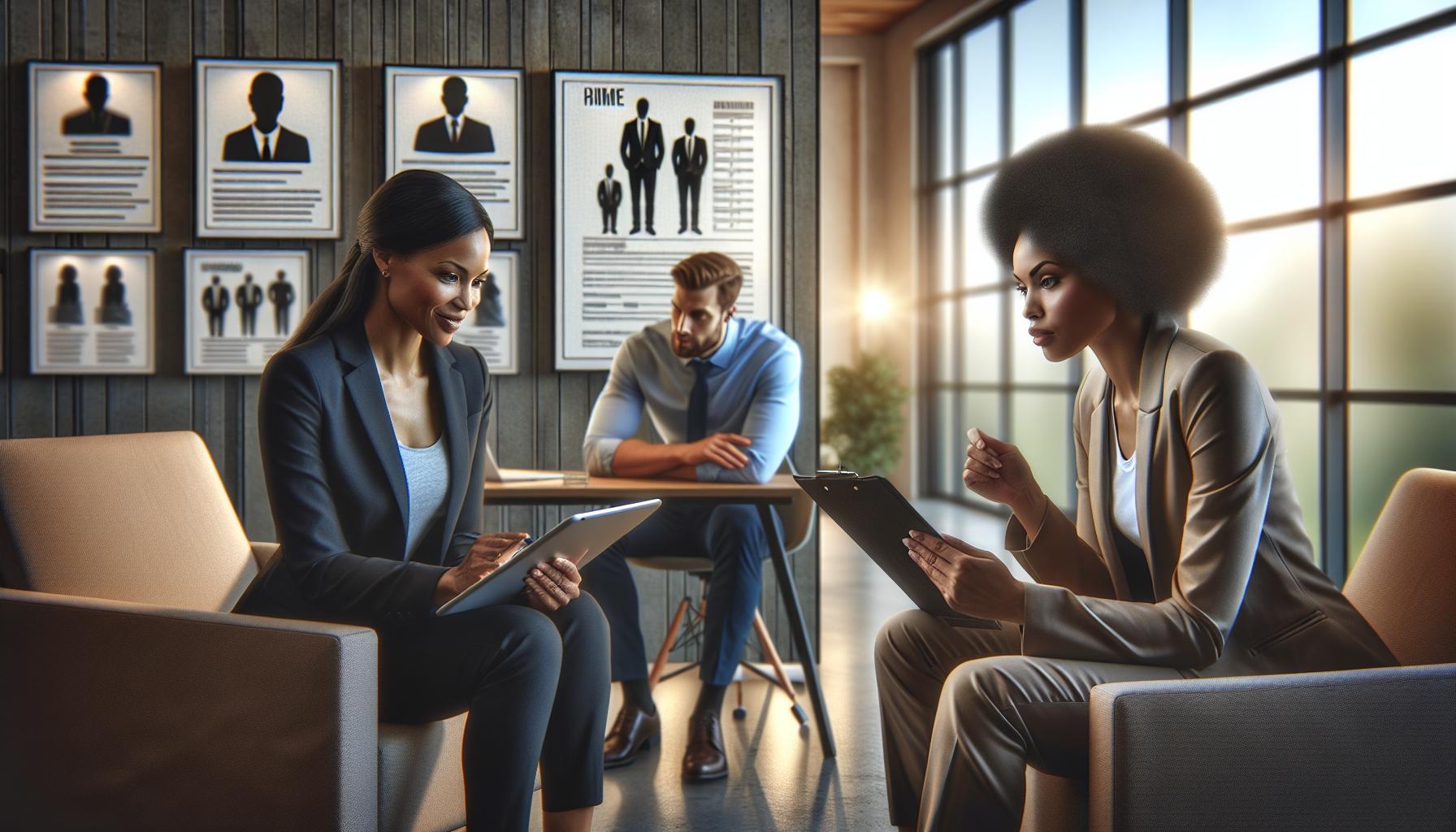
- Face-to-Face Interactions: Direct interactions allow employers to assess candidates' soft skills, facilitating a better understanding of their fit within the company culture.
- Networking Opportunities: Job fairs enable valuable connections with professionals, increasing the chance of referrals and access to diverse talent that may not be encountered through traditional methods.
- Engaging Conversations: Meaningful discussions at job fairs can deepen connections and provide insights into candidate motivations, enhancing recruitment effectiveness.
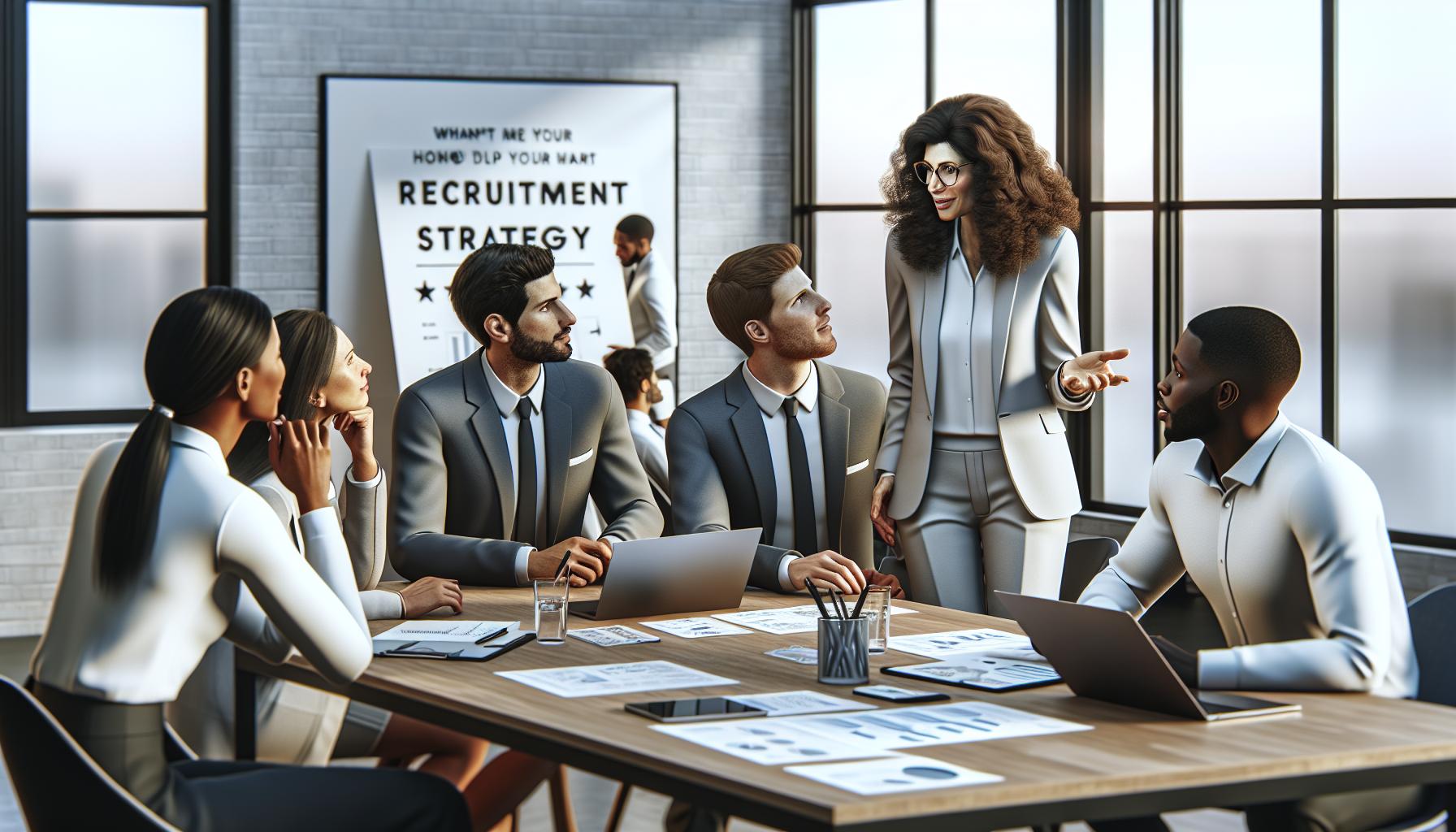
- Strategic Follow-Up: A well-planned follow-up strategy post-job fair is crucial for maintaining candidate interest and nurturing relationships that could lead to future hires.
Job fairs are a goldmine for employers looking to connect with a diverse range of candidates. With over 70% of job seekers attending these events, they offer a unique opportunity to meet potential hires face-to-face and assess their fit for our company culture. In just a few hours, we can engage with hundreds of candidates, making the hiring process more efficient and effective.
Beyond recruitment, job fairs allow us to showcase our brand and values. By creating an inviting booth and sharing our story, we can attract talent that aligns with our mission. This direct interaction not only helps us find the right people but also leaves a lasting impression of what it’s like to work with us. Let's dive into how job fairs can elevate our hiring strategy and enhance our company’s visibility in the competitive job market.
Overview of Job Fairs
Job fairs connect employers with a diverse pool of candidates. Over 70% of job seekers attend these events, highlighting their significance. Candidates can meet multiple employers in one location, facilitating swift discussions about job opportunities.
We witness firsthand how job fairs provide face-to-face interactions, allowing us to assess candidates effectively. These events aren't just about hiring; they allow us to showcase our company culture and values, making a lasting impression on potential employees. Most candidates appreciate learning about our mission, which fosters a genuine connection.
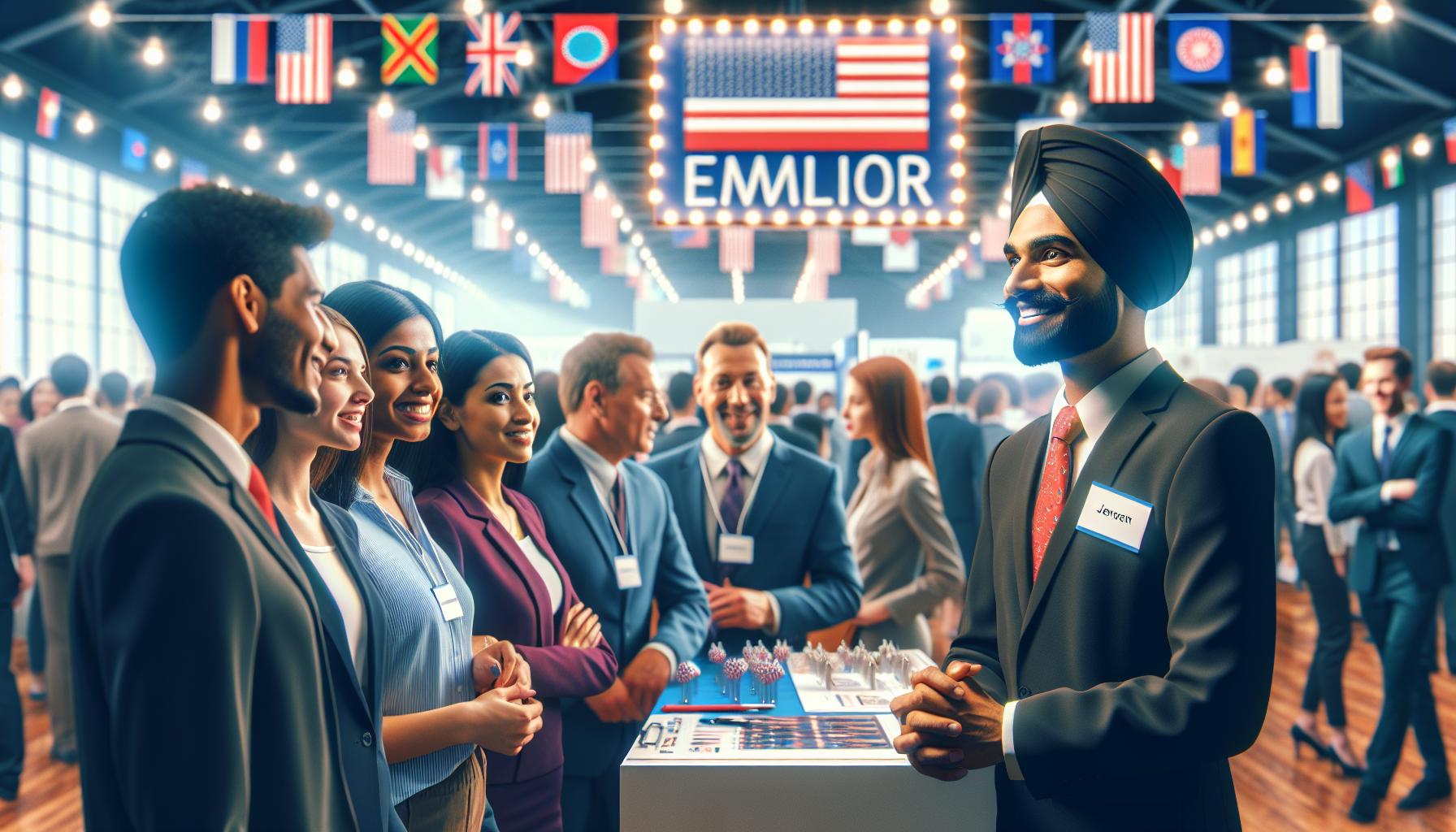
At job fairs, companies can display their brands creatively. Booths with eye-catching designs and engaging presentations capture attendees' attention. We can utilize promotional materials and digital displays to reinforce our message. Large crowds at these events help amplify our visibility in a competitive market.
Job fairs also enhance our hiring strategies. By meeting candidates directly, we observe their soft skills, like communication and enthusiasm. Evaluating these traits in person helps us gauge their potential fit within our team.
Furthermore, job fairs often feature workshops and panels. These sessions present an opportunity for us to share insights about industry trends and best practices. Participating in these discussions strengthens our position as thought leaders in our field.
Lastly, job fairs create lasting networking opportunities. We can exchange contact information, follow up with candidates afterward, and maintain valuable connections. This proactive approach nurtures relationships, increasing the chances of future collaborations.
Job fairs play a crucial role in meeting a large pool of candidates while showcasing our company culture efficiently. They zap the usual hiring frustrations and empower us to connect with potential talent more effectively.
Benefits of Attending Job Fairs
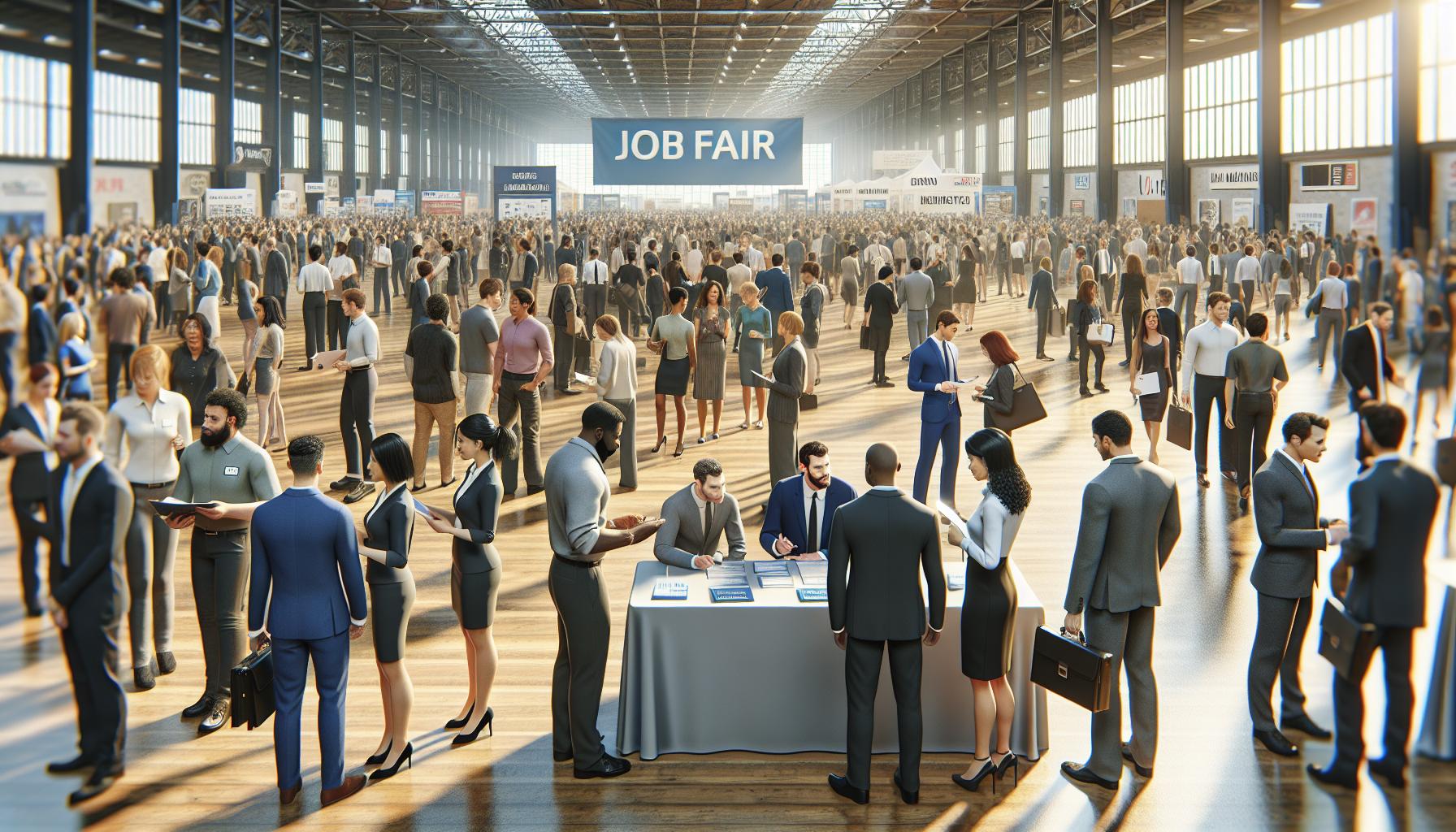
Job fairs present significant advantages for employers seeking to connect with candidates. These events foster face-to-face interactions that facilitate building relationships with potential hires.
Networking Opportunities
Networking at job fairs creates valuable connections. We can meet numerous professionals from various backgrounds, broadening our candidate pool. Engaging in conversation allows us to assess not only their qualifications but also their personality and motivation. For instance, spotting a candidate's enthusiasm can help us determine if they align with our company culture. Collecting contact information becomes effortless, paving the way for future interactions. These connections can lead to referrals, providing access to talent we might not have encountered otherwise.
Access to Diverse Talent
Accessing a diverse talent pool through job fairs proves beneficial. We encounter candidates from multiple industries and experiences, enhancing our hiring options. This exposure enables us to find individuals who bring fresh perspectives. For example, a candidate with experience in service business software may offer insights into field service management that we hadn't considered. As industries evolve, job fairs help us stay updated on trends and skills in demand. This direct interaction allows us to identify the best fit for our needs faster than traditional hiring methods. In this way, job fairs become an indispensable tool for effective recruitment.
Showcasing Company Culture
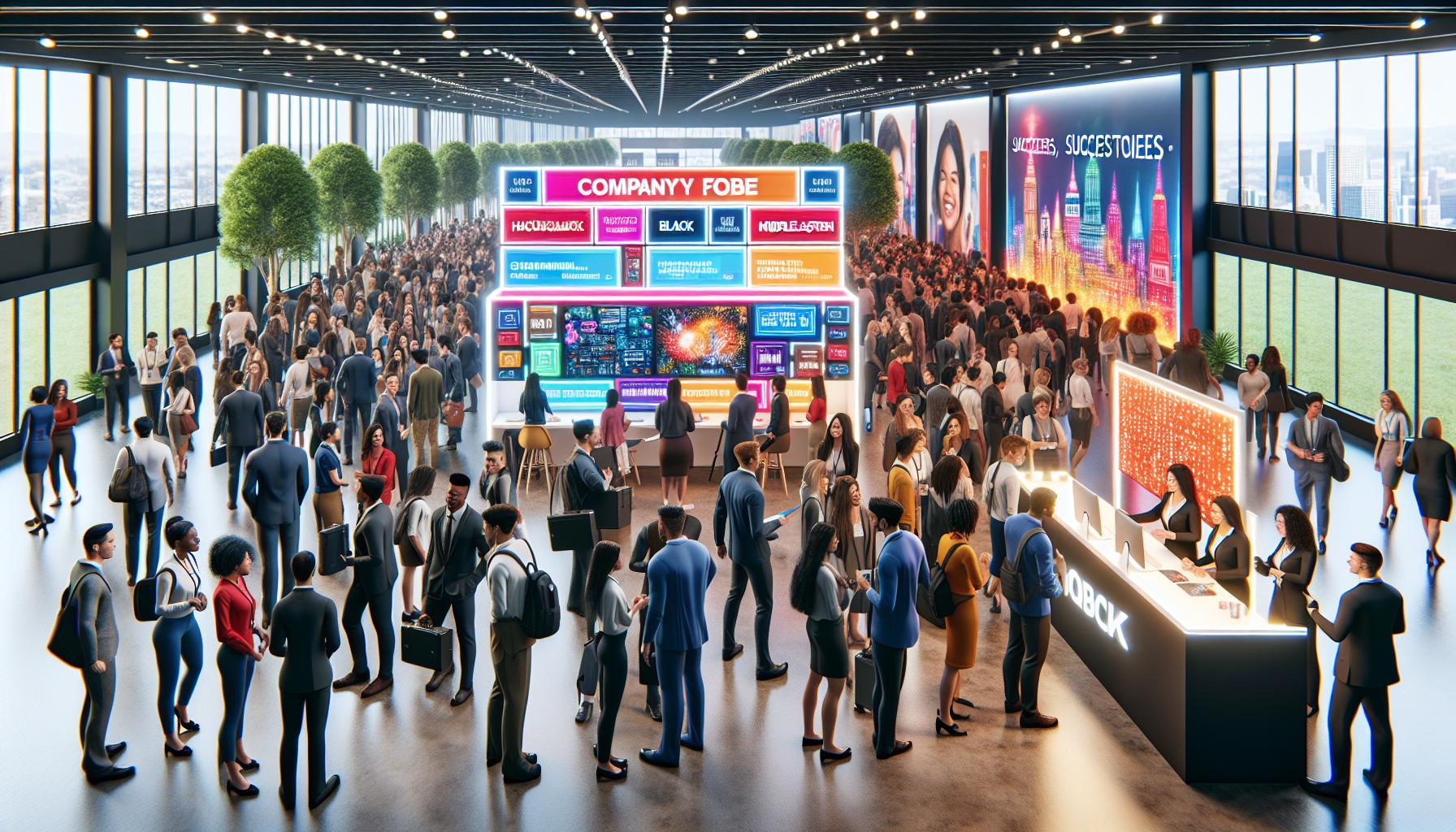
Job fairs provide an excellent setting for highlighting company culture, allowing employers to present their values and environment effectively. Engaging candidates in person fosters deeper connections and helps potential employees envision themselves in our workplace.
Creative Booth Designs
Creative booth designs capture attention and set the tone for interactions. We can use vibrant colors, interactive displays, and informative materials that reflect our company’s personality. Incorporating technology, like videos showcasing team activities or success stories, adds an inviting element to the booth. We might consider using our field service management software to demonstrate how we streamline operations and support our employees. Eye-catching signage with catchy slogans reinforces our brand message and makes our booth memorable.
Engaging Conversations
Engaging conversations make the job fair experience worthwhile. We can initiate discussions about our company culture, the importance of team collaboration, and how we employ service business automation tools to improve efficiency. Asking open-ended questions invites candidates to share their aspirations, experiences, and what they seek in a workplace. These dialogues help us assess alignment with our company values and create connections with potential hires. Picture this: a candidate shares how they optimized technician routes using our route management software—now that's a conversation starter! Sharing stories about challenges and achievements fosters a sense of community, making candidates feel more connected to our brand.
Strategies for a Successful Job Fair Experience
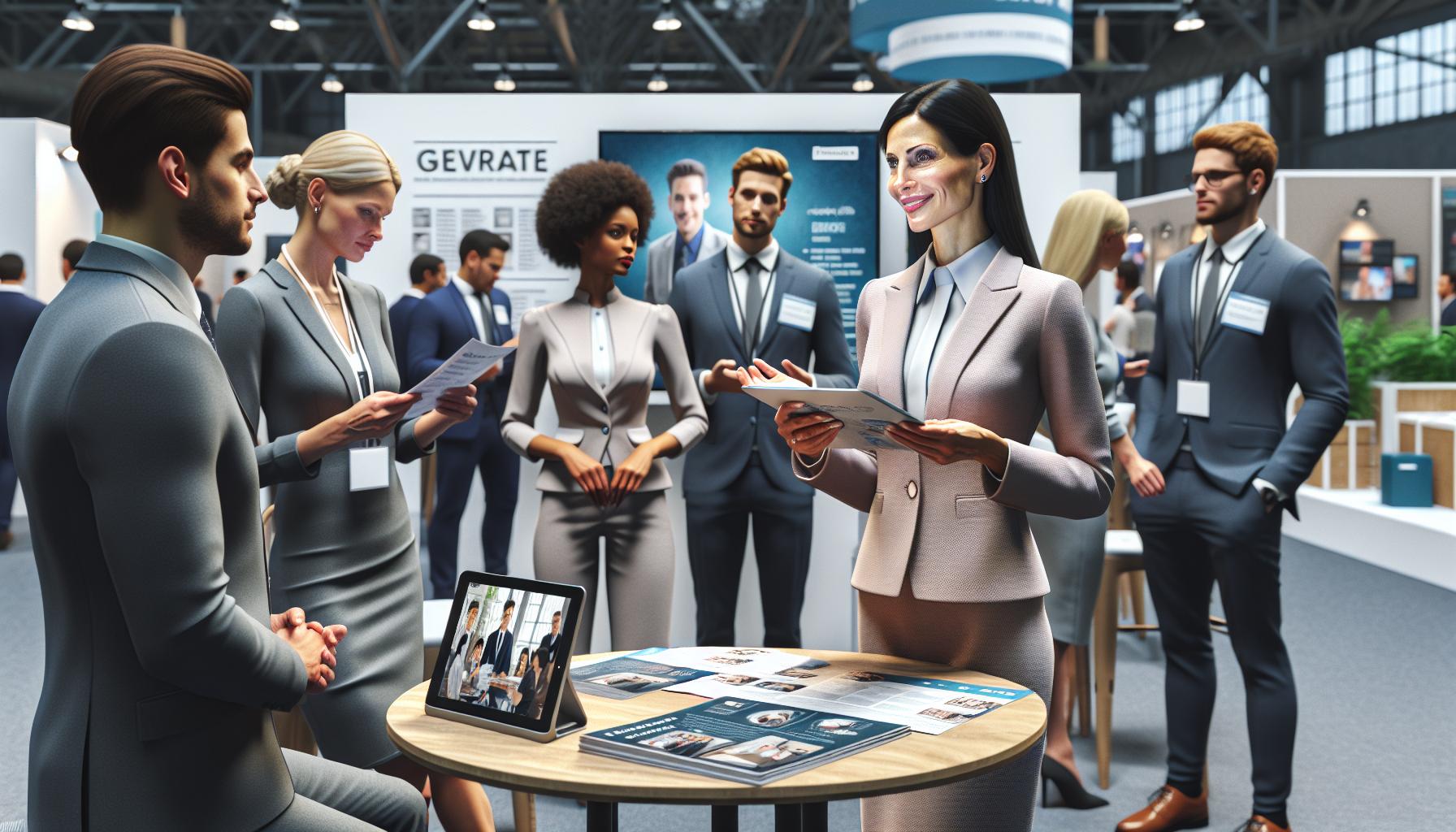
Job fairs provide opportunities that can shape our hiring practices. Implementing effective strategies helps us maximize engagement and connect with potential candidates.
Preparing Your Team
Preparing our team for a job fair matters. Start by assigning roles based on strengths. Designate team members as greeters, interviewers, and culture ambassadors. Tailor training sessions to address common candidate questions and highlight our company culture. Practice engaging conversations, showcasing our values in a genuine way. Equip the team with the right materials, including brochures, business cards, and branded giveaways that reflect our company's personality. A great visual presentation of our brand captures attention.
Creating an appealing booth matters too. We'll consider an open layout that invites candidates in. A display with interactive elements can spark interest. Think about incorporating technology, like tablets or screens showcasing videos of our workplace, to engage candidates. Have fun! A little excitement can create a welcoming environment. Does everyone on our team understand their contributions? Clarity in preparation sets the stage for meaningful interactions.
Effective Follow-Up
Establishing a robust follow-up strategy is essential for maintaining connections. After the job fair, sorting through contacts should come first. Organize candidate information collected during the event. Prioritize follow-up communications based on interest levels expressed at our booth.
Reaching out promptly demonstrates our enthusiasm. Sending personalized emails connects us further. Reference specific conversations we've had to create a more personalized touch. Offer to answer any outstanding questions or invite them for a more in-depth interview. Timing matters; ideally, we'll aim to follow up within 48 hours.
Incorporating online tools, like a service business customer portal, simplifies tracking and managing candidates. This approach fosters better engagement and enhances our outreach efforts, turning interest into potential hires. How can we make follow-up even easier next time? Keeping this in mind helps us continually adapt our strategies for the future.
Conclusion
Job fairs offer us a unique chance to connect with a diverse range of candidates while highlighting our company culture. By engaging face-to-face, we can better assess potential fits for our team and showcase what makes our workplace special. These events not only enhance our visibility in the competitive job market but also allow us to build meaningful relationships with candidates.
As we embrace the opportunities presented at job fairs, we can attract talent that aligns with our values and vision. Let’s leverage these events to not only fill positions but to strengthen our brand and foster a community of like-minded professionals. With the right preparation and follow-up strategies, we can turn job fairs into powerful tools for our hiring success.
Frequently Asked Questions
What are the benefits of attending job fairs for employers?
Job fairs allow employers to connect with a diverse pool of candidates, enhance their visibility, and assess candidates' fit for company culture. They provide opportunities for face-to-face interactions, which can reveal soft skills and enthusiasm that resumes may not show. Additionally, job fairs serve as marketing platforms for showcasing company values and engaging with potential hires.
How do job fairs help attract the right talent?
By showcasing company culture and values through engaging booth designs and presentations, job fairs help attract candidates who align with the business's mission. In-person interactions foster deeper connections, enabling candidates to envision themselves within the workplace, thus enhancing the likelihood of finding the right fit.
What should employers prepare before attending a job fair?
Employers should prepare by assigning roles to their team, training them to communicate the company culture effectively, and designing an appealing booth with interactive elements. A clear layout can engage candidates better and reinforce the company’s brand message at the event.
How can employers follow up after a job fair?
Employers should organize candidate information collected at the job fair and send personalized communications to maintain connections. Utilizing online tools can streamline tracking candidates and enhance follow-up efforts, ensuring that promising candidates do not slip through the cracks.
What kinds of candidates can employers expect to meet at job fairs?
Employers can expect to meet a diverse range of candidates from various industries and backgrounds. This exposure presents opportunities to discover individuals with fresh perspectives and insights, which can be beneficial as industries evolve and require new skills.